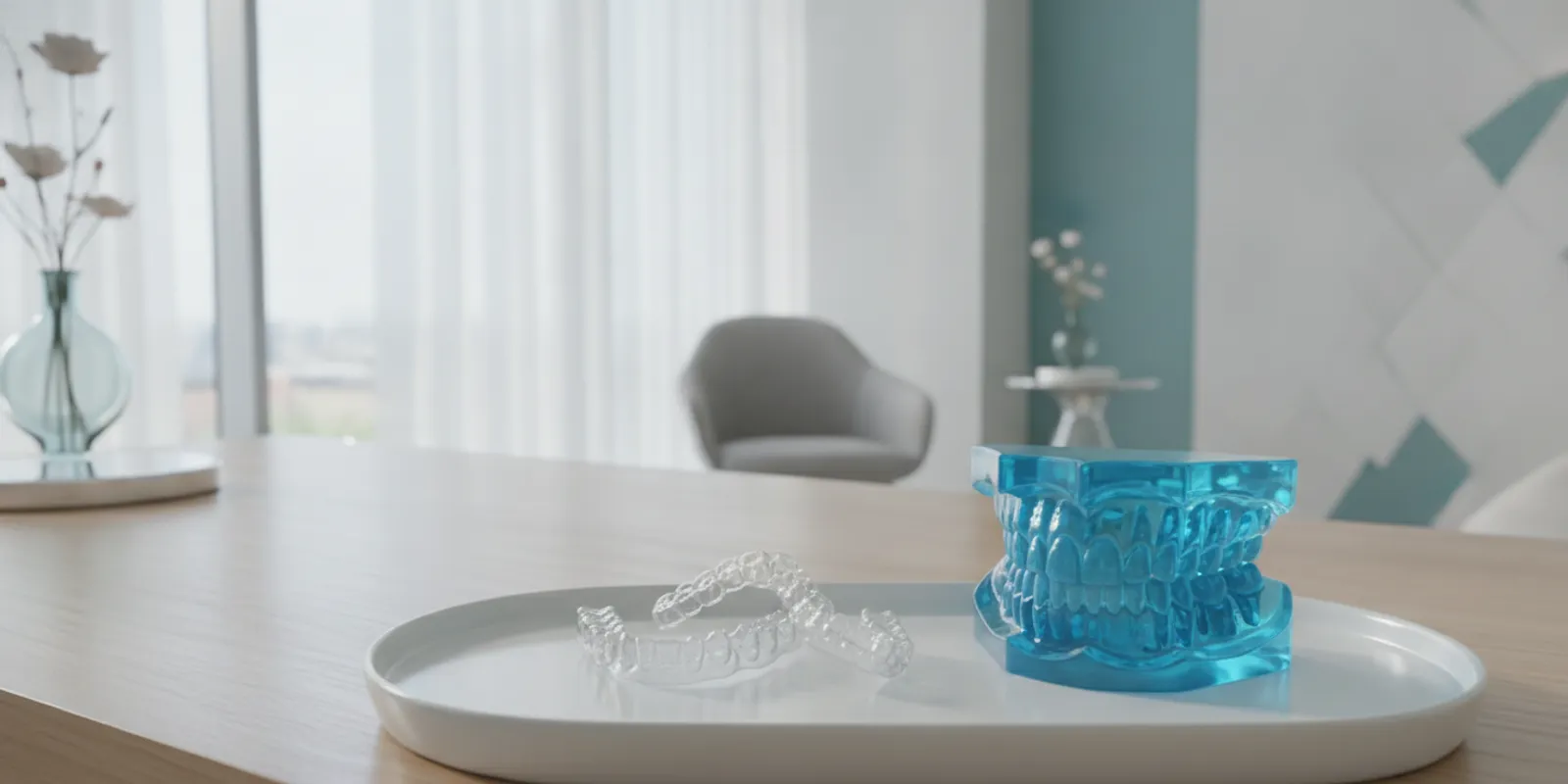
When a parent hears that a child may need phase 1 braces, it is natural to wonder whether treatment should start right away. Phase 1, also called early or interceptive orthodontic treatment, takes place while a child still has a mix of baby and permanent teeth. It is not automatically needed for every child. An orthodontic evaluation can help clarify what is happening, whether early action has a specific purpose, and whether watching growth is a reasonable choice.
Request a Complimentary Consultation
What does phase 1 braces mean?
Phase 1 treatment is an early stage of orthodontic care during childhood, often before all permanent teeth have erupted. The word “phase” matters: early treatment may address a particular developing concern, but it does not necessarily complete all orthodontic care. A later phase may be recommended after more permanent teeth come in, depending on the child’s growth and the original treatment goals.
“Braces” is often used as a general phrase, but phase 1 care does not always mean braces. The plan might involve an orthodontic appliance, braces, aligners, monitoring, or no active treatment for now. The appropriate approach depends on the child’s bite, tooth eruption, growth, and specific needs. A clinician should explain why a particular option is being considered for that child rather than suggesting that every child needs the same appliance.
The American College of Orthodontists recommends that children have an orthodontic check-up by age 7. An assessment at that age is an opportunity to evaluate development; it does not mean treatment must begin then. The Ohio State Health discussion of two-phase orthodontic treatment likewise describes early treatment as something considered for particular children, rather than a default for everyone.
Why might an orthodontist evaluate a child early?
Baby teeth and permanent teeth overlap for several years. During that period, an orthodontist can assess how the teeth fit together, how the jaws relate, and how permanent teeth are emerging. An early evaluation can help identify whether a concern should be treated while a child is still growing, followed over time, or addressed later.
Reasons a family may be referred for an evaluation include a bite that appears unusually out of alignment, teeth that seem crowded or blocked, difficulty biting, or a jaw relationship that concerns the dentist or parent. These observations do not establish a diagnosis. Some visible differences are part of normal development, and an examination is needed to understand what they mean for a particular child.
Evaluation is also useful when there is a known dental or developmental concern, or when a child has experienced an injury to the teeth. The orthodontist can consider the full picture and coordinate with the child’s dentist when needed. Parents can review common orthodontic issues for general background, but an online list cannot determine whether a child requires treatment.
Does every child need phase 1 braces?
No. Many children do not need early active treatment. Some are best served by periodic observation while their teeth and jaws develop. Others may have a concern for which an orthodontist recommends addressing a specific goal before all permanent teeth are present. The decision should rest on an individual evaluation, not just a child’s age or the fact that a tooth looks crooked.
Observation is not the same as ignoring a concern. If an orthodontist recommends monitoring, ask what they are watching, when the next review should happen, and what changes would lead them to reconsider. This gives the family a clear plan without committing to an appliance before it is needed.
Similarly, an early recommendation should come with a clear explanation of the issue and the intended benefit. Ask how the proposed care fits with the child’s development, what alternatives exist, and what could happen if the family waits. If you remain unsure, you can ask for clarification or seek another professional opinion. There is no need to make a decision based only on pressure or a general statement that all children should start early.
How do phase 1 and phase 2 treatment differ?
Phase 1 generally refers to limited or targeted care during mixed dentition, when baby and permanent teeth are both present. Phase 2 generally refers to comprehensive orthodontic treatment after more permanent teeth have erupted. It may address the alignment of the full set of permanent teeth and the bite. Not every child who has phase 1 treatment will need phase 2, and the timing and need for any later care cannot be predicted precisely without ongoing assessment.
The following comparison is a starting point for discussion, not a diagnosis or treatment recommendation:
| Question | Phase 1 | Phase 2 |
|---|---|---|
| When does it occur? | During mixed dentition, while some baby teeth remain | Later, after more permanent teeth have erupted |
| What is the focus? | A specific developing concern or treatment goal | Broader alignment and bite goals for the permanent teeth |
| Does it always use braces? | No; the recommendation may involve another appliance or observation | The orthodontist selects an approach based on the case |
| Does every child need it? | No; many children are monitored or wait | No; whether it is appropriate depends on the individual |
| What should parents clarify? | The concern, goal, alternatives, and follow-up plan | The comprehensive goals, options, and expected responsibilities |
For a clinical overview, Children’s Hospital of Philadelphia’s information on Phase 1 orthodontics explains the early-treatment concept. The details of a child’s own plan still need to come from an orthodontic evaluation.
What might happen at an early orthodontic evaluation?
The first step is a conversation about the child’s dental history, current concerns, and what the family has noticed. The orthodontist examines the teeth and bite and considers growth and tooth development. Depending on the situation, records such as photographs or imaging may be recommended to help assess the case. The team should explain what information is needed and why.
Bring questions and any relevant information from the child’s dentist. It may help to mention difficulty biting or chewing, a tooth that seems delayed or out of place, an injury, or a change you have noticed. You do not need to arrive with a diagnosis. A parent’s observations simply help the clinician understand what prompted the visit.
After the assessment, ask the orthodontist to summarize the findings in plain language. Is there a specific issue to address now? Is monitoring appropriate? What signs or milestones will be reviewed at a future visit? The practice’s first-visit information can help families prepare for an orthodontic appointment.
What kinds of appliances could be part of early treatment?
There is no single appliance used for every child. Depending on the clinical goal, an orthodontist might discuss braces or another orthodontic appliance. In some cases, a removable option may be considered; in others, the recommended step may be observation rather than an appliance. The choice depends on what needs to be addressed and whether the child can use and care for the proposed device as directed.
Parents can explore general information about types of orthodontic appliances and orthodontic treatments. These pages are useful for learning terms, but they do not show which option is right for a particular child. Ask the orthodontist why the proposed appliance matches the treatment goal and what alternatives are reasonable.
If clear aligners are discussed, the provider should explain whether they are appropriate for the child’s specific needs and what wearing and care responsibilities would involve. Russell Orthodontics provides information about Invisalign First for children; availability of an option does not mean it is suitable for every patient.
What should parents ask before starting phase 1 braces?
A useful consultation leaves the family understanding both the reason for care and the choices. Consider bringing this list:
- What specific finding are we addressing?
- What is the goal of treatment at this stage?
- Why do you recommend acting now rather than monitoring or waiting?
- What are the reasonable alternatives, including no active treatment for now?
- Which appliance or approach do you recommend, and why?
- What will my child need to do at home to use and care for it?
- How will progress be reviewed, and what should prompt us to contact the office?
- Could additional orthodontic treatment be considered later? What factors will influence that decision?
- What costs, insurance questions, and payment arrangements should we understand before deciding?
- Who should we contact if the appliance causes a problem or we have questions?
It is reasonable to ask for the proposed goals and next steps in writing. Understanding what treatment is intended to do makes it easier to follow the plan and assess whether it matches the family’s priorities. For general background on the practice’s approach to care for children, see early treatment and braces for kids.
How can families prepare a child for treatment?
Parents may find it helpful to separate the decision into two parts: what the orthodontist observes today, and what the family is being asked to do next. The first part is an explanation of the child’s bite and tooth development. The second might be starting an appliance, returning for observation, or gathering more information. Keeping these separate can make a complicated conversation easier to follow.
For example, if the recommendation is to monitor, ask when the next check is planned and whether the child’s regular dentist should watch for anything in the meantime. If treatment is proposed, ask what would count as progress and how the team will communicate if the plan needs to change. These questions do not challenge the clinician; they help ensure that everyone understands the same goals.
Families should also consider the child’s readiness for the responsibilities involved. Can the child follow instructions with a parent’s support? Is the family able to manage any cleaning or appliance routine? If there are practical barriers, explain them. The orthodontist may be able to clarify which responsibilities are essential and whether another approach or timing is more suitable.
Use simple, reassuring language. Explain that the orthodontist will look at how the teeth are growing and talk about options. Avoid promising that treatment will be quick, painless, or certain to prevent future care. The clinician can explain what the child may experience with the specific recommendation.
If an appliance is recommended, ask for instructions on wearing it, cleaning it, and handling ordinary issues. Make sure the child knows whom to tell if something feels uncomfortable or does not seem to fit properly. Consistent, calm reminders can help a child build a routine, while involving them in age-appropriate decisions can help them feel prepared.
Keep regular dental care in place and tell the orthodontic team about changes in the child’s health or dental situation. If the family is deciding between early treatment and observation, write down the plan and any follow-up date so it is clear when the question will be revisited.
How do cost and timing fit into the decision?
Cost and timing depend on the proposed treatment, the child’s needs, and the practice’s policies. There is no single fee or schedule that applies to every phase 1 case. Ask for a written explanation of what the estimate includes, what it does not include, and whether future treatment would be a separate consideration. Ask the office to explain how insurance benefits or financing options may apply rather than assuming that a particular service is covered.
Treatment length also varies. It depends on the clinical goal, the child’s development, and how care progresses. Avoid relying on a general timeline from another child or a broad online estimate. The orthodontist can discuss what is reasonable for the plan being considered, while making clear that individual progress may differ.
When reviewing the financial side, the practice’s pages on orthodontic financing and insurance and braces costs may help you prepare questions. For a child-focused discussion, the most useful estimate is one tied to the specific findings and plan.
Frequently asked questions
At what age should my child have an orthodontic check-up?
The American College of Orthodontists recommends an orthodontic check-up by age 7. That is an evaluation milestone, not a signal that every child should begin braces at that age. The orthodontist can advise whether treatment, monitoring, or a later review is appropriate.
Does phase 1 treatment mean my child will definitely need braces again?
No. Phase 1 does not automatically mean a child will need a second phase, but some children may later benefit from comprehensive care as permanent teeth erupt. The orthodontist should explain what is known now and what will depend on growth and future development.
Can my child wait until all permanent teeth come in?
That may be appropriate for some children, while others may have a specific concern an orthodontist recommends addressing earlier. Only an individual assessment can answer the question. Ask what the benefits and trade-offs of waiting would be for your child’s findings.
Are phase 1 braces always fixed braces?
No. “Phase 1” describes a stage and purpose of care, not one particular appliance. Recommendations may vary, and observation can also be appropriate. Ask why the proposed method fits the treatment goal.
What if my child is anxious about an orthodontic visit?
Tell the office in advance and explain what your child is worried about. You can describe the visit as a chance to ask questions and learn about development, rather than suggesting treatment is inevitable. Ask the team to walk your child through what the evaluation involves.
Make the next step an informed one
Phase 1 braces are not a requirement for every child, and an early check-up does not commit a family to treatment. The useful outcome is a clear understanding of the child’s development, the options, and when the decision should be revisited. Russell Orthodontics serves families in Athens, Grayson, Watkinsville, and nearby communities; a conversation with an orthodontist can help you decide what makes sense for your child.
Request an orthodontic evaluation
Bring your questions, share what you have noticed, and ask for a plan that explains both the recommendation and the alternatives.