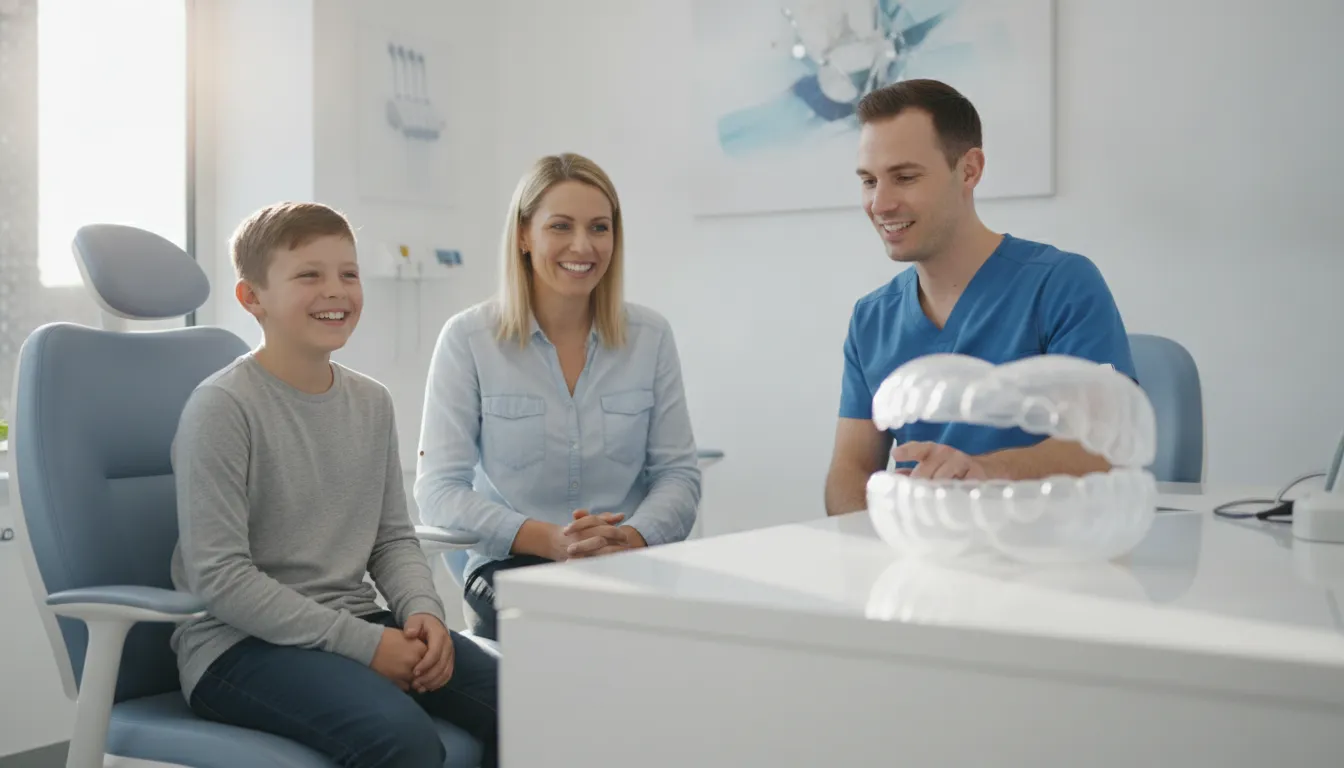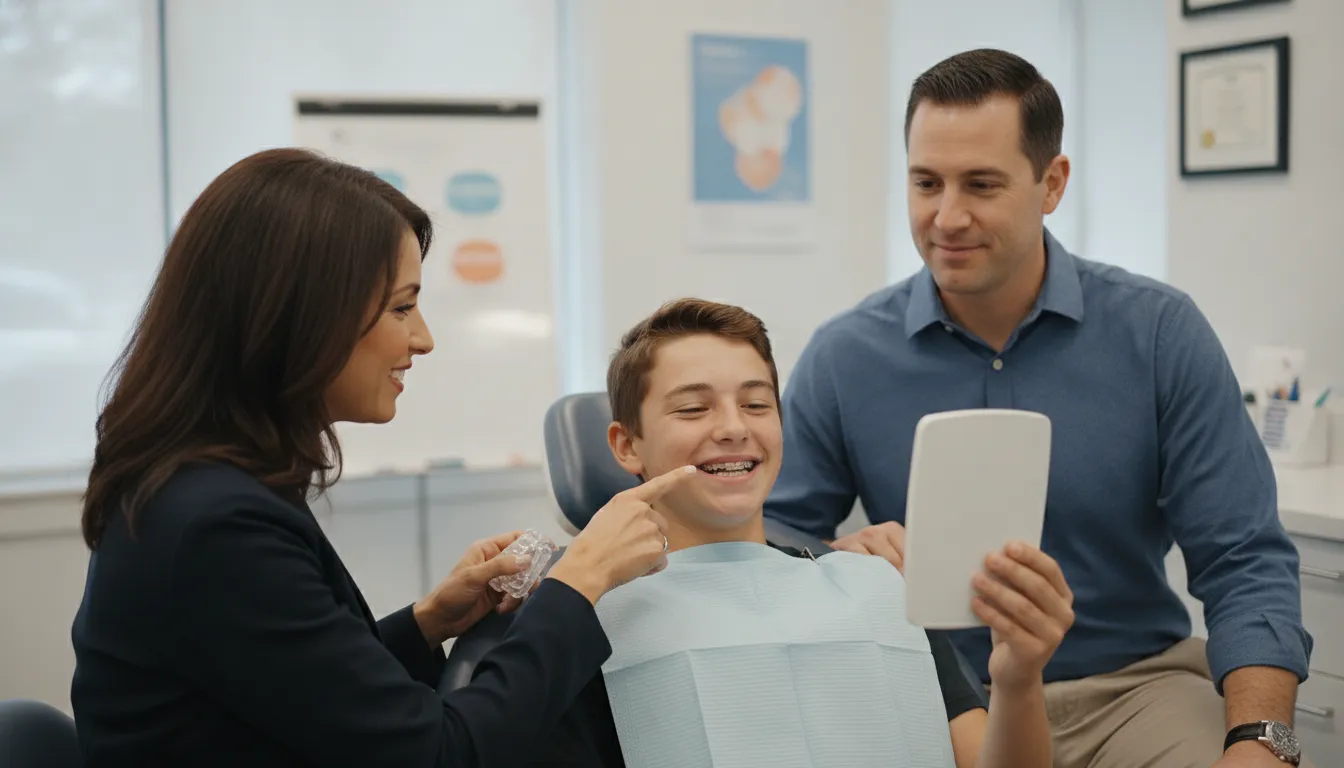
Choosing an orthodontic appliance is less about finding a universal winner. It is about matching treatment to your teeth, goals, and daily routine. Invisalign offers a discreet, removable approach. Traditional braces provide a fixed system that can help with precise, complex tooth movements. Both require consistent oral hygiene and professional supervision.
The most useful way to weigh invisalign vs traditional braces pros and cons is to compare appearance, removability, eating, cleaning, compliance, appointment needs, and clinical suitability. Clear aligners may fit patients who can wear them as directed, while braces may offer an advantage when a fixed appliance provides more predictable control. An orthodontic evaluation is essential before choosing.
Russell Orthodontics brings more than 20 years of Invisalign experience to patients in Athens, Grayson, Watkinsville, and nearby communities, while continuing to offer traditional braces. This Athens Invisalign specialist comparison starts with the mechanics behind how each approach moves teeth.
Understanding Invisalign vs Traditional Braces Pros and Cons
Traditional braces and Invisalign use different systems to create controlled tooth movement. With braces, an orthodontist bonds brackets to the teeth and connects them with wires. The brackets and wires apply pressure over time, gradually guiding teeth toward planned positions. Elastic bands may also be added when extra force is needed for tooth movement or bite correction. Because the appliance stays attached to the teeth, it works continuously between appointments. The American Association of Orthodontists explains how braces work in more detail.
Invisalign uses a series of custom-formed, clear plastic aligners. Each tray fits over the teeth and applies gentle pressure to specific areas. Patients move through the trays in sequence, with each aligner typically worn for about a week and generally at least 22 hours a day. The number of trays and the overall treatment time depend on the orthodontic issues being corrected and the amount and direction of tooth movement required. A crowded smile, a bite concern, and a spacing issue may therefore involve very different plans.
Removability changes the daily routine
Braces are fixed, so patients eat and clean around the brackets and wires throughout treatment. That usually means avoiding hard, sticky, or chewy foods that could damage the appliance. Brushing and flossing also require careful attention around each bracket and beneath the wire. These routines can be very manageable, but they call for consistency.
Aligners are removed for eating and drinking, then replaced afterward. They must also come out for brushing and flossing, which can make ordinary meals and oral hygiene feel more familiar. The tradeoff is responsibility: aligners only move teeth when they are being worn. Leaving them out too often can reduce the time they are applying pressure and may affect progress. Teeth should also be clean before the aligners go back in.
| Consideration | Invisalign | Traditional braces |
|---|---|---|
| Daily wear | Removable. Generally at least 22 hours a day. | Fixed to the teeth throughout treatment. |
| Eating | Remove for meals and drinking. | Avoid hard, sticky, and chewy foods. |
| Cleaning | Remove to brush and floss. Clean teeth before replacement. | Brush and floss carefully around brackets and wires. |
Treatment time is individualized
Neither appliance has one universal timeline. The diagnosis, bite, complexity of the movements, age, and day-to-day cooperation all matter. Clear aligners are effective for many orthodontic concerns, but they are not right for every patient, and some cases may be treated more predictably with braces. An orthodontist evaluates the records and treatment goals before recommending the system that best fits the person, rather than choosing based on appearance alone. That individualized planning is the most reliable way to understand the Invisalign vs traditional braces pros and cons for your own smile.
The Pros and Cons of Invisalign in Everyday Life
For many adults and teens, the day-to-day experience is where Invisalign feels most different from a fixed appliance. The clear, custom-formed trays are nearly invisible and can be removed for meals, brushing, and flossing. That flexibility can make treatment easier to fit around work, school, sports, photos, and social plans. The American Association of Orthodontists explains that clear aligners apply gentle pressure as patients wear a sequence of trays. While the number of trays and treatment time vary with the movements each case requires.
Appearance, eating, and hygiene
Appearance is a common reason patients ask about Invisalign. The trays are designed to be discreet, although some cases may also use tooth-colored attachments or other features that support specific movements. Unlike braces, aligners come out for meals, so there is no need to work around brackets when eating hard, sticky, or chewy foods. They should be removed when eating or drinking, except as directed by the treating orthodontist.
Removability can also simplify brushing and flossing because patients can clean their teeth normally. The responsibility is not eliminated, however. Teeth should be clean before aligners go back in, and both aligner and braces patients still need consistent daily brushing and flossing. Retainers are also part of long-term orthodontic care after treatment. For a practical overview of what to know before Invisalign, consider the habits that make removable treatment manageable before choosing it.
Comfort, compliance, and real-life routines
Aligners can cause temporary discomfort when switching to a new tray. Braces may create short-lived discomfort when placed or adjusted. Neither format removes every adjustment from the process, and comfort can vary by person and treatment stage.
The central tradeoff is control versus responsibility. Aligners are removable, but they generally need to be worn at least 22 hours each day. A busy adult must remember to put them back after meals, and a teen needs a reliable routine for school, activities, and travel. Invisalign Teen includes compliance indicators and replacement aligners for lost trays, but consistent participation still matters. Fixed braces remain attached to the teeth, which removes the daily decision to wear them, though they require careful cleaning around brackets and wires.
For suitable Russell Remote patients, virtual progress tracking may allow in-office visits every 12 to 16 weeks instead of monthly visits. That schedule is not universal, so the right choice depends on diagnosis, goals, lifestyle, and case complexity.
When Traditional Braces May Be the Better Fit
Traditional braces remain an important treatment option because they stay attached to the teeth throughout care. Brackets and wires apply controlled pressure over time, and your orthodontist can add elastic bands when extra force is needed for tooth movement or bite correction. That fixed design can be helpful for patients who may have difficulty remembering to wear removable aligners consistently.
Clear aligners generally need to be worn at least 22 hours a day and removed for eating, drinking, brushing, and flossing. Braces do not depend on a patient putting trays back in after every meal or remembering them during a busy school, work, or travel schedule. For some teens, adults, and younger patients, having the appliance in place provides a practical compliance advantage. It also means the orthodontic team can work with a treatment system that is continuously active, rather than one that depends on daily wear.
Fixed control can matter for certain movements
Aligners are effective for many orthodontic concerns, but suitability depends on the individual case. The American Association of Orthodontists notes that some cases are treated more predictably with braces, while others may be appropriate for aligners or a combination of approaches. The decision can depend on the bite, the direction and amount of tooth movement needed, and the patient’s ability to follow the treatment plan. Braces can treat most orthodontic problems, but that does not mean they are automatically the right choice for every patient.
Visibility is also not an all-or-nothing issue. Russell Orthodontics offers traditional metal braces along with ceramic, self-ligating, and designer brace options. Tooth-colored ceramic brackets can provide a subtler appearance, while self-ligating systems and designer brackets offer different features and aesthetic preferences. Patients comparing options can learn more about metal versus ceramic braces before discussing which system may suit their goals.
Braces do require thoughtful daily care, including brushing and flossing around brackets and wires, and patients may need to avoid hard, sticky, or chewy foods. Those tradeoffs are worth weighing alongside appearance, convenience, removability, and treatment goals. A careful evaluation, rather than a general rule about Invisalign or braces, is the best way to identify the appliance that offers appropriate control for your needs.
When Invisalign May Be the Better Fit
For many adults and teens, the appeal of Invisalign is practical as much as cosmetic. The clear trays are designed to be virtually invisible, and they can be removed for meals, brushing, and flossing. That flexibility may suit someone who wants orthodontic treatment to fit around work, school, sports, travel, or family routines. It can also make daily hygiene more straightforward, provided the teeth are clean before the aligners go back in.
Removability is also a responsibility. Clear aligners generally need to be worn at least 22 hours a day. So they are not automatically the best choice for someone who may regularly forget to put them back in. Invisalign Teen includes compliance indicators and replacement aligners for lost trays, which can be useful support for families, but an individualized discussion is still important. Age, maturity, goals, and the specific tooth movements needed all matter.
Candidacy depends on the case, not just the preference
Invisalign can address many concerns, including crowding, spacing, overbites, underbites, crossbites, and open bites. However, clear aligners are not right for everyone. The American Association of Orthodontists notes that some cases may be treated more predictably with braces. And that an orthodontist should recommend the approach based on the patient’s unique needs. The number of aligners and the treatment time also vary with the required movements. A discreet appearance alone cannot determine candidacy.
Russell Orthodontics brings more than 20 years of Invisalign experience and currently holds Top 1% Blue Diamond Provider status. The practice treats Invisalign as a specialty while continuing to offer traditional braces, with planning informed by the diagnosis and the patient’s goals. Its clinical experience includes a broad range of bite and alignment concerns, including complex cases that other providers may consider unsuitable for clear aligners. That experience supports careful evaluation, not a promise that every case will qualify.
Convenience can be part of the treatment conversation
For suitable patients, Russell Remote virtual monitoring uses DentalMonitoring and ScanBox Pro to track progress between visits. Russell says some patients may have in-office visits every 12 to 16 weeks instead of monthly appointments. That schedule is specific to the practice’s system and appropriate patients, not a universal Invisalign expectation.
If you are comparing the pros and cons of Invisalign with traditional braces, a consultation can connect the treatment format to your records, lifestyle, and goals. An experienced Top 1% Blue Diamond Invisalign provider can help explain that decision.
How an Orthodontist Chooses Between Invisalign and Braces
There is no universally right orthodontic appliance. When families compare invisalign vs traditional braces pros and cons, the recommendation should follow a clinical evaluation, your goals, and the practical details of your daily life. The American Association of Orthodontists explains that an orthodontist is best qualified to determine whether clear aligners, braces, or a combination is appropriate for a particular case. That is why a search for the Athens Invisalign specialist should lead to a conversation about your needs, not a one-size-fits-all answer.
-
Start with diagnosis and complete records
Treatment planning begins with an accurate diagnosis. Your orthodontist may review photographs, X-rays, digital scans, and other orthodontic records to understand tooth positions. Jaw relationships, bite patterns, spacing, crowding, and the health of the supporting structures. These records help show which movements are needed and whether clear aligners, traditional braces, or a combination can address them predictably. Clear aligners can be effective for many concerns, but suitability is case-dependent. The number of aligners and the treatment time also vary according to the issues being corrected and the movements required. You can review the American Association of Orthodontists’ comparison guidance for additional context.
-
Match the plan to your goals and lifestyle
Appearance, eating habits, hygiene routines, work, school, sports, and appointment preferences all matter. Invisalign aligners are removable, so patients take them out to eat, drink, brush, and floss. They generally need to be worn at least 22 hours each day, which makes daily follow-through essential. Braces remain fixed to the teeth and require careful cleaning around brackets and wires, but they do not depend on remembering to put trays back in. Adults may prioritize discretion, while teens and parents may weigh sports, compliance, and convenience differently. The best plan respects those realities while still meeting the clinical objectives.
-
Consider complexity and compliance
Some cases are treated more predictably with braces, while other patients may be well suited to Invisalign. A fixed appliance can provide continuous control, whereas aligner treatment requires consistent wear and proper tray changes. Invisalign Teen includes compliance indicators and replacement aligners for lost trays, but supervision and honest communication remain important. An orthodontist may also use braces, aligners, or both during different phases of care. The question is not simply which option looks better. It is which system can deliver the needed movements with a realistic level of patient participation.
-
Use technology, then confirm the recommendation in consultation
At Russell Orthodontics, planning may include iTero digital scanning, ClinCheck visualization, and an outcome simulator. These tools help the orthodontist study the proposed movements and explain the plan, but technology does not replace clinical judgment. Russell offers both Invisalign and traditional braces, with Invisalign as its primary specialty, and uses Russell Remote monitoring for suitable patients. Schedule a free consultation to receive an individualized recommendation based on your records, goals, complexity, and lifestyle.
Frequently Asked Questions
Do orthodontists prefer Invisalign or traditional braces?
There is no universal preference. An orthodontist considers your diagnosis, treatment goals, lifestyle, and the tooth movements required. Invisalign may suit patients who value a discreet, removable appliance and can follow wear instructions. Traditional braces may be the more predictable choice for certain movements or more complex cases. The recommendation should follow an individual evaluation rather than a one-size-fits-all rule.
Why might an orthodontist not recommend Invisalign?
Clear aligners are not right for every patient. Some cases are treated more predictably with braces, and aligners require consistent daily wear and careful handling. An orthodontist may recommend braces, Invisalign, or a combination based on the bite, alignment concerns, records, and expected tooth movements. That recommendation is about matching the appliance to the case, not judging one option as better for everyone.
Why do some people struggle with Invisalign?
The removable design is convenient, but it also makes follow-through important. Aligners generally need to be worn at least 22 hours a day, removed for eating and drinking, and replaced after brushing and flossing. Patients who frequently forget trays, lose them, or leave them out for long periods may have difficulty staying on track. Teens can benefit from Invisalign Teen features such as compliance indicators and replacement aligners for lost trays.
Which option is better for a teen?
Either option can be appropriate, depending on the teen’s diagnosis, habits, appearance concerns, sports activities, and willingness to follow instructions. Braces stay attached to the teeth, while Invisalign Teen is removable and includes compliance indicators. A consultation with an orthodontist can help families compare the practical tradeoffs and choose the approach that fits the teen’s needs and daily routine.
Get Personal Guidance on Your Treatment Choice
Ready to compare Invisalign and traditional braces for your smile? Visit Russell Orthodontics for a free consultation and an individualized recommendation based on your goals, lifestyle, and orthodontic needs.
Patients and families in Athens, Grayson, Watkinsville, and nearby Georgia communities are invited to Free consultation to take the next step with confidence.