That first moment you run your tongue over your smooth, straight teeth after your braces are removed is unforgettable. All the hard work has finally paid off. But how do you ensure your smile stays that way for years, or even decades, to come? The answer is simpler than you think: your retainer. This final step in your orthodontic journey is the key to long-term success. Making a habit of wearing your retainers after braces is the insurance policy that protects your smile from shifting over time, locking in the beautiful results you worked so hard to achieve.
Key Takeaways
- Your Retainer Prevents Relapse: After treatment, your teeth will naturally want to move back to their old spots. Consistent retainer use is the only way to stop this from happening and protect the beautiful results you worked so hard for.
- Expect a Lifelong Commitment: Your orthodontist will likely start you on full-time wear before switching to nightly use. Making your retainer a permanent part of your bedtime routine is the secret to keeping your smile perfectly straight forever.
- Care for It and Act Fast if Needed: Keep your retainer clean by brushing it daily and always store it in its case. If it breaks, gets lost, or feels very tight, call your orthodontist immediately to prevent your teeth from shifting.
Why You Need a Retainer After Braces
Getting your braces off or finishing your last set of aligners is a moment worth celebrating. You’ve put in the time and effort, and now you have a beautiful, straight smile to show for it. But the work isn’t quite finished. Think of this next step not as another chore, but as the key to protecting your investment. This is where retainers come in. They are custom-made devices designed to hold your teeth in their new positions, ensuring your smile stays just as perfect as the day your treatment ended. Without one, your teeth can start to shift back, undoing all your hard work.
Why teeth shift after treatment
After your braces are removed, your teeth don’t just magically lock into place forever. The ligaments and bone that support your teeth have been stretched and reshaped, and they need time to solidify in their new alignment. This period makes them vulnerable to moving. It’s a natural process called orthodontic relapse, where teeth have a “memory” and try to drift back to their original positions. This can happen due to everyday forces like chewing and talking, or simply as a part of aging. It’s a universal experience, which is why following through with the retainer phase of your orthodontic treatment is so crucial for everyone.
How retainers lock in your new smile
Think of your retainer as the bodyguard for your new smile. Its one and only job is to hold your teeth in their corrected positions while your mouth adjusts. This simple step ensures that the significant investment of time and money you put into your orthodontic care pays off for a lifetime. By wearing your retainer as prescribed, you give the bone and gum tissues the stability they need to firm up around your teeth. This prevents them from shifting and protects the beautiful results you achieved. As a Top 1% Invisalign Provider, we know that a successful outcome includes a smile that lasts, and retainers are the key to that long-term success.
The science behind a stable smile
The first few months after your braces come off are the most critical time for stabilization. This is when your teeth are most likely to move. To counteract this, your orthodontist will instruct you to wear your retainer full-time. This constant pressure keeps your teeth in place while the surrounding bone and ligaments remodel and strengthen. After this initial period, your orthodontist will evaluate your stability and likely transition you to nightly wear. Skipping this step is risky, as relapse can happen quickly. Consistent retainer use is the only proven way to keep your teeth from drifting. With convenient options like Russell Remote, we can monitor your smile’s stability and guide you through the retainer phase with ease.
What Types of Retainers Are There?
Once your braces come off or you finish your last Invisalign tray, the next step is getting a retainer. This is the device that holds your teeth in their new, perfect positions. Think of it as the security guard for your smile. Retainers aren’t one-size-fits-all; they come in a few different styles. The main types are either removable, meaning you can take them in and out, or fixed, meaning they are permanently attached to your teeth for a period of time. Each type has its own set of pros and cons, and the best one for you will depend on your teeth, your lifestyle, and your orthodontist’s recommendation. Let’s look at the most common options so you can feel prepared for that conversation.
Hawley retainers
You’ve probably seen a Hawley retainer before; it’s what most people picture when they think of a retainer. This removable device is made of a hard acrylic that is molded to the roof of your mouth or along the inside of your lower teeth, with a thin metal wire that wraps around the front of your teeth to hold them in place. Hawley retainers are incredibly durable and can last for years if cared for properly. Another big advantage is that your orthodontist can adjust the wire to make minor corrections to your teeth if needed. They are a sturdy, reliable choice that has been used for decades to protect beautiful smiles.
Clear plastic retainers
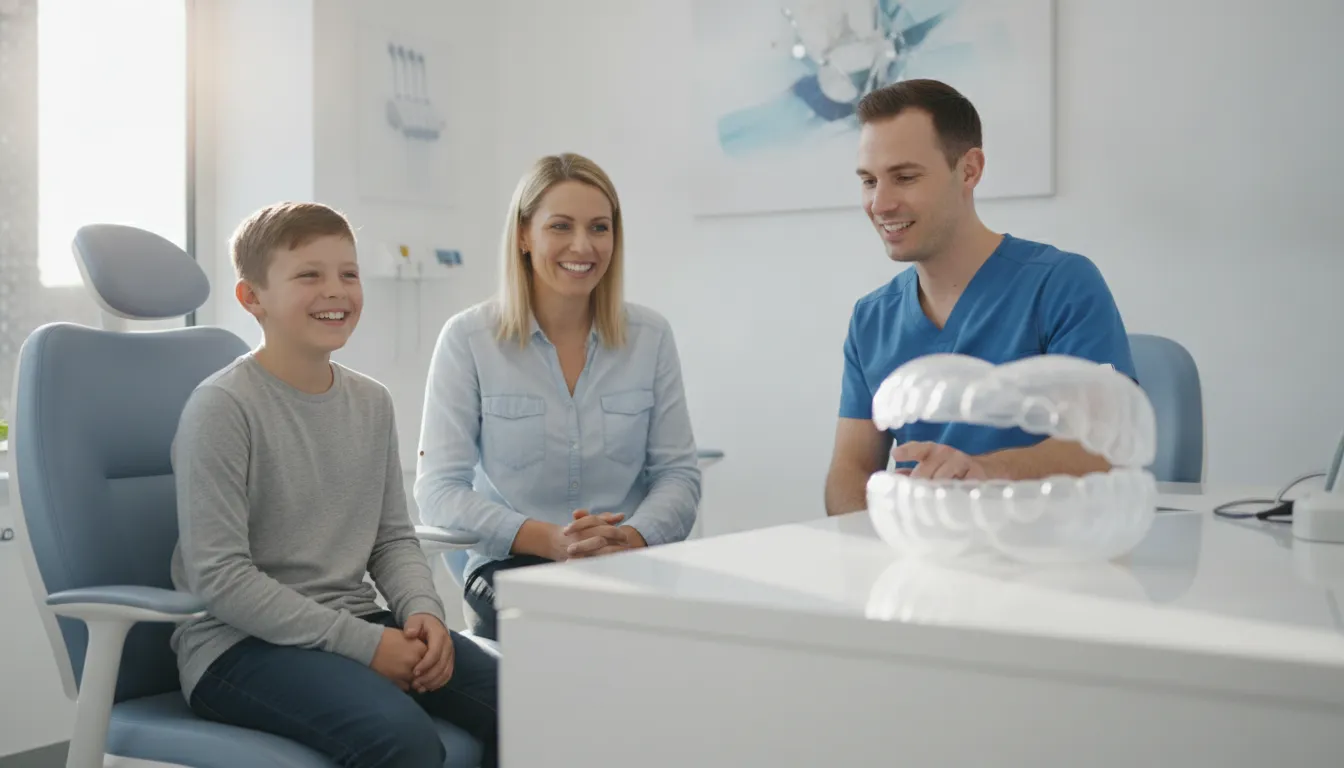
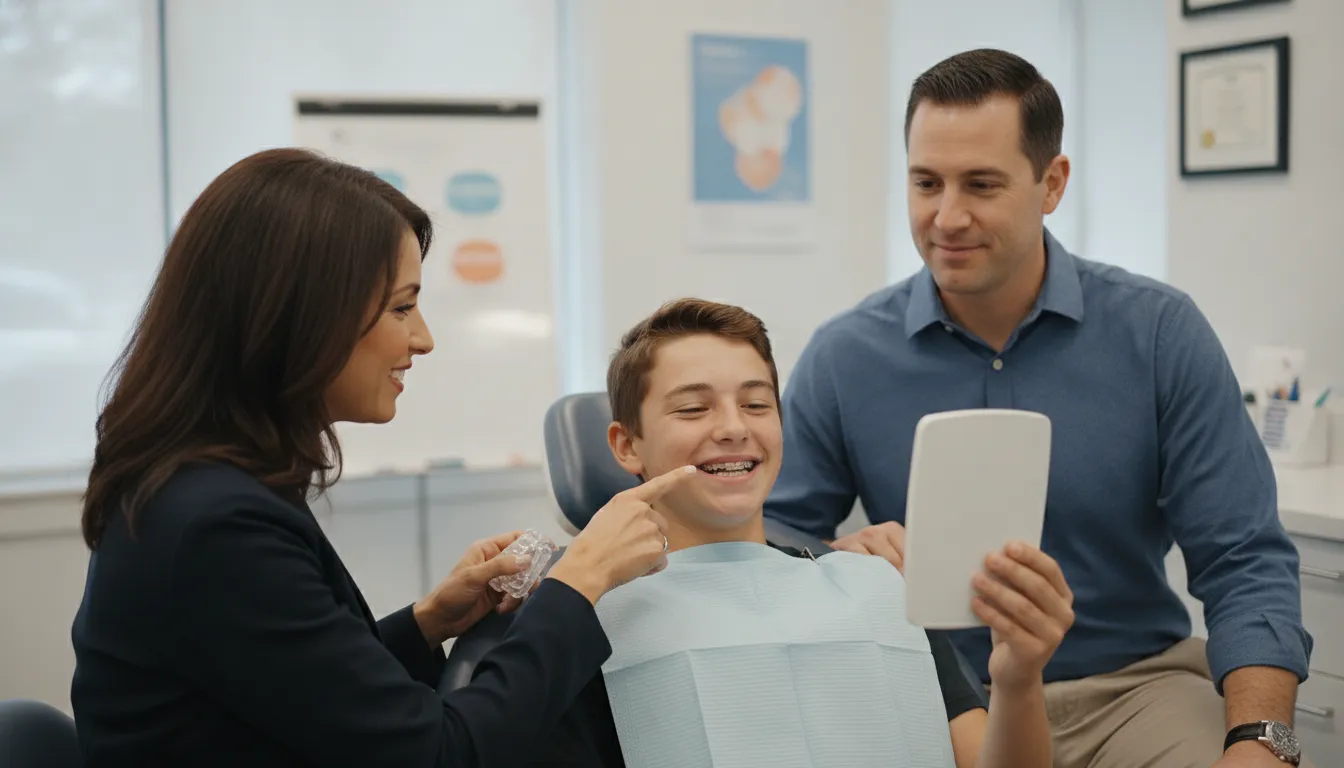
If you want a more discreet option, a clear plastic retainer might be for you. These are also known as Essix retainers, and they look a lot like the clear aligners used for Invisalign treatment. They are custom-made from a transparent plastic that fits snugly over your teeth, making them nearly invisible. Because they are so subtle, they are a popular choice for adults and teens who don’t want to show off a metal wire. While they are comfortable and aesthetically pleasing, they aren’t as durable as Hawley retainers and can be more prone to cracking or discoloration over time. You’ll also need to be extra careful not to throw them away by accident!
Fixed (bonded) retainers
A fixed retainer, sometimes called a bonded or permanent retainer, is a great “set it and forget it” option. It consists of a thin, solid wire that is cemented to the back of your front teeth, usually the lower ones. Since it’s bonded in place, you don’t have to worry about remembering to wear it or losing it. It works around the clock to keep your teeth from shifting. The biggest challenge with a fixed retainer is cleaning. You’ll need to be extra diligent with your oral hygiene, using a floss threader to clean between your teeth and prevent plaque from building up around the wire.
Choosing the right retainer for you
So, which retainer is the right one? The honest answer is: it depends. The best choice is a personal one that balances your lifestyle, your preferences, and your specific orthodontic needs. If you value discretion and had a great experience with clear aligners, a plastic retainer might feel like a natural fit. If you’re worried you might forget to wear a removable one, a fixed retainer could be the perfect solution. As a Top 1% Invisalign Provider, we have helped countless patients transition from active treatment to retention. The most important step is talking with your orthodontist. We will walk you through the pros and cons of each type and help you select the retainer that will best protect your investment and keep you smiling for life.
How Long Do You Wear a Retainer?
Getting your braces off is a huge milestone, but your orthodontic journey isn’t quite over. The next step is just as important: wearing your retainer. Think of it as the final phase that locks in all the hard work and protects your investment in a beautiful, straight smile. Your retainer schedule will change over time, but consistency is the key to making your results last a lifetime. Your orthodontist will create a personalized plan for you, but here’s a general idea of what to expect.
The first few months: Full-time wear
Right after your braces are removed, your teeth are at their most vulnerable. The ligaments and bone that hold them in place are still getting used to their new positions. To prevent them from shifting back, you’ll need to wear your retainer full-time, which usually means about 22 hours a day. You’ll only take it out for eating, drinking anything other than water, and cleaning your teeth and the retainer itself. This intensive period typically lasts for the first few months, but your orthodontist will give you a precise timeline based on your specific treatment.
Switching to nightly wear
After the initial full-time phase, your orthodontist will likely give you the green light to switch to nightly wear. This is a huge relief for most people! At this point, your teeth have stabilized in their new alignment, and the retainer’s job is to maintain that position. Wearing it every night while you sleep prevents the slow, natural shifting that can occur over time. Making this a permanent part of your bedtime routine is the best way to ensure your smile stays just as straight as the day your braces came off.
Is lifelong wear really necessary?
In a word, yes. Your body is always changing, and that includes your teeth. Forces from chewing, talking, and natural aging can cause your teeth to gradually move throughout your life. Wearing a retainer long-term is the only way to guarantee your smile remains perfectly aligned. It’s a lifelong commitment, but it’s a small price to pay to protect the beautiful results you worked so hard for. As a Top 1% Invisalign Provider, we’ve seen firsthand how consistent retainer use leads to lasting satisfaction and confidence.
Retainer schedules for kids, teens, and adults
While the general principle of retainer wear is the same for everyone, the specific schedule can vary slightly based on age. Younger patients, whose jaws are still developing, might have a different timeline than adults. For example, an adult’s bone tissue is denser, which can mean their teeth are more stubborn to move but also more stable once aligned. No matter your age, your orthodontist will create a retainer plan tailored to your unique needs, ensuring your treatment provides a stable, healthy smile for years to come.
What Happens If You Stop Wearing Your Retainer?
After all the time and effort you put into your orthodontic treatment, the last thing you want is for your teeth to shift back to their old positions. This is where your retainer comes in as the hero of the story. Think of it as the final, crucial step in locking in your beautiful new smile. Skipping it, even for a few days, can start to undo the progress you’ve made. Your teeth have a “memory” of where they used to be, and without the gentle guidance of a retainer, they will try to return to that familiar spot. Consistent wear is your best defense against this natural tendency.
How quickly can your teeth shift?
This is one of the most common questions we hear, and the honest answer is: it happens faster than you think. Your teeth can begin to move almost immediately after you stop wearing your retainer as prescribed. In the first few weeks and months post-treatment, the ligaments and bone supporting your teeth are still settling into their new positions, making them especially prone to shifting. If you skip wearing your retainer for a few nights, you might find it feels uncomfortably tight when you try to put it back in. If you wait too long, it may not fit at all, which is a clear sign your teeth have already moved.
Warning signs your teeth are moving
Your body will give you a few clear signals that your teeth are on the move. The most obvious warning sign is your retainer feeling tight. This pressure means your teeth have shifted slightly, and the retainer is now working to push them back into alignment. Don’t ignore this feeling; it’s a call to action to be more diligent with your wear schedule. Other signs include your retainer feeling loose, worn out, or simply not fitting correctly anymore. If you notice any of these changes, it’s important to act quickly. A quick check-in using a service like Russell Remote can help you get professional advice without delay.
Can you correct a relapse?
If you notice a minor shift early on, you might be able to correct it by returning to full-time retainer wear for a few days. However, if you’ve stopped wearing your retainer for a significant period, you can’t force it to fit. Trying to do so can damage your teeth and the retainer itself. A major relapse, where teeth have become noticeably crooked again, will require another round of orthodontic treatment to fix. The good news is that correcting a relapse is often faster than your initial treatment, sometimes involving a short course of Invisalign aligners. If your retainer breaks, gets lost, or feels extremely tight, contact your orthodontist immediately to prevent further shifting.
Debunking Common Retainer Myths
After getting your braces off, it’s easy to think the work is done. But the retention phase is just as important, and it’s surrounded by a lot of confusing myths. Let’s clear up some of the most common misconceptions so you can feel confident about protecting your new smile. Think of your retainer as the final, crucial step in your orthodontic journey, ensuring all the time and effort you’ve invested pays off for a lifetime.
Myth: “My teeth won’t move after braces.”
This is probably the most damaging myth out there. The truth is, your teeth have a natural tendency to shift back toward their original positions. This is called orthodontic relapse. The ligaments and bone that support your teeth need time to solidify around their new alignment. Without a retainer holding them in place, they will absolutely move. This can undo months or even years of treatment, potentially affecting your bite and the beautiful straight smile you worked so hard to achieve with braces or Invisalign. Wearing your retainer is non-negotiable if you want to keep your results.
Myth: “You only need a retainer for a few months.”
While the first few months after treatment are critical, your retainer’s job isn’t over that quickly. Most orthodontists, including our team at Russell Orthodontics, recommend long-term retainer use to guarantee your smile stays put. The common rule of thumb is “nighttime for a lifetime.” After an initial period of full-time wear, you’ll likely switch to wearing your retainer only while you sleep. It’s a small, simple habit that provides a lifetime of insurance for your smile. Trusting the guidance from a Top 1% Invisalign Provider means you’re getting advice designed to give you permanent, stable results.
Myth: “A tight retainer is a bad sign.”
A tight retainer isn’t necessarily a bad sign, but it is a wake-up call. If your retainer feels snug, it’s telling you that your teeth have started to shift slightly, most likely because you’ve skipped wearing it for a day or two. This tightness is the retainer doing its job and gently guiding your teeth back into their correct position. As long as you can place it fully and the tightness subsides, it’s usually okay. However, if you feel sharp pain or can’t get the retainer to fit at all, don’t force it. This means your teeth have moved too much, and you should call your orthodontist right away.
Myth: “Retainers are always uncomfortable.”
After the experience of braces, it’s understandable to worry about more discomfort. The good news is that retainers are very different. Braces are designed to actively move your teeth, which creates pressure and soreness. Retainers, on the other hand, are designed simply to hold your teeth in their final position. While there might be a brief adjustment period as you get used to speaking and having it in your mouth, it shouldn’t be painful. Modern retainers are custom-made for a snug, comfortable fit, and they are far less intrusive than the types of braces used for active treatment.
How to Care for Your Retainer
After all the time and effort you’ve put into achieving your new smile, your retainer is your best friend for keeping it that way. Proper care is simple, but it’s essential for protecting your investment and ensuring your teeth stay perfectly aligned. Think of these steps as the simple, daily insurance policy for your beautiful smile.
Your daily cleaning routine
Just like your teeth, your retainer can accumulate plaque and bacteria. To keep it fresh and hygienic, you should clean your retainer at least once a day. The best method is to gently brush it with a soft-bristled toothbrush using antibacterial soap and lukewarm water. Avoid using most toothpastes, as their abrasive ingredients can create tiny scratches on the retainer’s surface where bacteria can hide. If you prefer, you can also use special retainer cleaning tablets. A quick daily clean is the easiest way to prevent buildup and keep your retainer tasting and smelling fresh.
How to store your retainer safely
The golden rule of retainer ownership is simple: If it’s not in your face, it should be in its case. This one habit can save you from the panic of losing or damaging your retainer. Wrapping it in a napkin is a recipe for accidentally throwing it away, and leaving it on a counter makes it a tempting chew toy for pets. Your protective case is designed to keep your retainer safe from harm and free from germs when you’re not wearing it. Make it a habit to always put your retainer back in its case, and you’ll protect it for years to come.
What to avoid: Heat, harsh chemicals, and more
Your retainer is strong, but it’s not indestructible. To prevent damage, there are a few key things to avoid. First, never use hot water to clean it or leave it in a hot car, as high temperatures can warp the plastic and ruin its custom fit. Always use cool or lukewarm water. Second, steer clear of harsh chemicals. Products containing alcohol or bleach can degrade the material over time, making it brittle. Stick to the simple and effective cleaning methods recommended by your orthodontist to ensure your retainer maintains its shape and integrity.
Knowing when it’s time for a replacement
Over time, your retainer may show signs of wear and tear. If you notice any cracks, or if the retainer feels loose or doesn’t seem to fit right anymore, it’s a sign you need to take action. A poor fit could mean your teeth have already started to shift, so it’s important not to wait. Your teeth can move surprisingly quickly without the proper guidance of a well-fitting retainer. If you have any concerns about your retainer’s condition or fit, contact our team at Russell Orthodontics right away. We can assess the situation and determine if a repair or replacement is needed to keep your smile stable.
Protect Your Smile with Russell Orthodontics
You’ve dedicated time and effort to achieving your new smile, and now comes the most important part: keeping it that way. Think of your retainer as an insurance policy for your investment. After treatment with braces or Invisalign, your teeth need support to stay in their perfect new positions. Wearing your retainer exactly as prescribed is the key to making sure your hard work lasts a lifetime. It prevents your teeth from shifting back, a common issue known as relapse, and locks in your beautiful results for good.
At Russell Orthodontics, we don’t just straighten your teeth; we help you maintain your results for years to come. We create a custom-made retainer designed specifically for you, ensuring a comfortable and effective fit. As a Top 1% Invisalign Provider, our team uses advanced technology and deep expertise to guide you through the retention phase. We’ll provide a clear, personalized plan so you know exactly what to do to protect your smile. Our commitment is to provide a seamless transition from active treatment to long-term maintenance.
Life is busy, and we make long-term care simple. Whether you have questions about your retainer or need a check-up, our team is here for you. With convenient options like Russell Remote, getting support is easier than ever. We are your partners in oral health, not just for the duration of your treatment, but for the lifetime of your smile. If you ever have a question or concern, don’t hesitate to reach out to our teams in Athens, Grayson, or Watkinsville.
Frequently Asked Questions
Do I really have to wear my retainer for the rest of my life? Yes, and it’s the best way to protect the smile you worked so hard for. Think of it this way: your teeth can shift throughout your entire life due to natural forces like chewing and aging. After the first few months of full-time wear, your orthodontist will likely move you to a “nighttime for a lifetime” schedule. It quickly becomes a simple part of your bedtime routine, just like brushing your teeth, and it acts as a permanent insurance policy for your straight smile.
What should I do if I forget to wear my retainer for a few nights? First, don’t panic. It happens to almost everyone at some point. When you put your retainer back in, you will probably notice it feels a bit snug. This tightness is a sign that your teeth have started to shift slightly, and the retainer is now working to guide them back into place. As long as you can get it on fully without intense pain, you should be fine. Just get back on track with your wear schedule. If it’s very painful or won’t fit at all, call your orthodontist right away.
Which type of retainer is the best one for me? There isn’t one single “best” retainer for everyone; the right choice is a personal one made between you and your orthodontist. Your decision will balance your lifestyle, your specific orthodontic needs, and your personal preferences. For example, a clear plastic retainer is very discreet, while a fixed wire retainer is a great option if you’re worried about remembering to wear a removable one. We will discuss the pros and cons of each style with you to find the perfect fit.
What’s the easiest and safest way to clean my retainer? The simplest method is also the most effective. Once a day, gently brush your retainer with a soft-bristled toothbrush and a mild, antibacterial soap. Be sure to use lukewarm water, as hot water can warp the plastic and ruin the fit. It’s best to avoid using regular toothpaste, since its abrasive ingredients can create tiny scratches on the surface that trap bacteria.
Can I just get a new retainer if my old one doesn’t fit anymore? A retainer’s job is to hold your teeth in their correct position, not to move them back into place. If your old retainer no longer fits, it’s a clear sign that your teeth have already shifted significantly. Ordering a new retainer based on your teeth’s current, crooked position will only keep them there. You will need to schedule a visit with your orthodontist to assess the shift and discuss what treatment, if any, is needed to correct it.