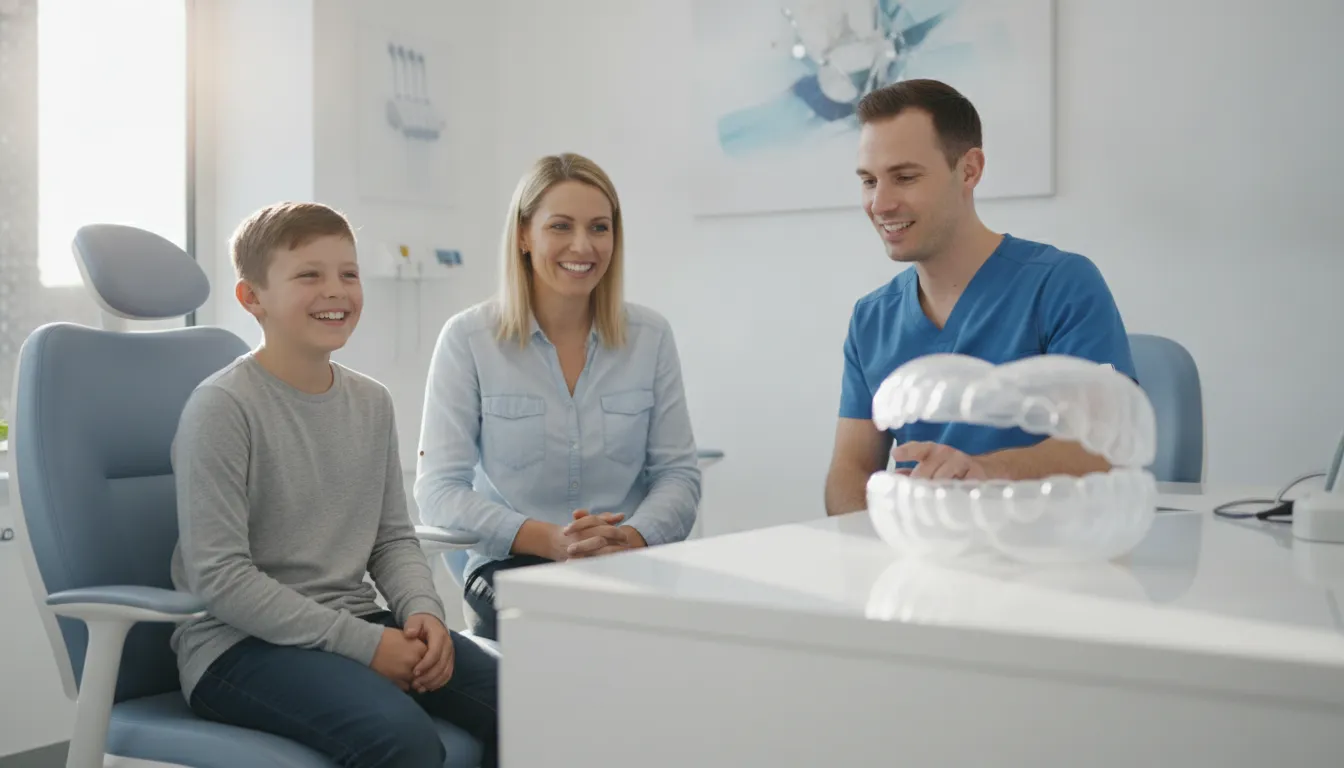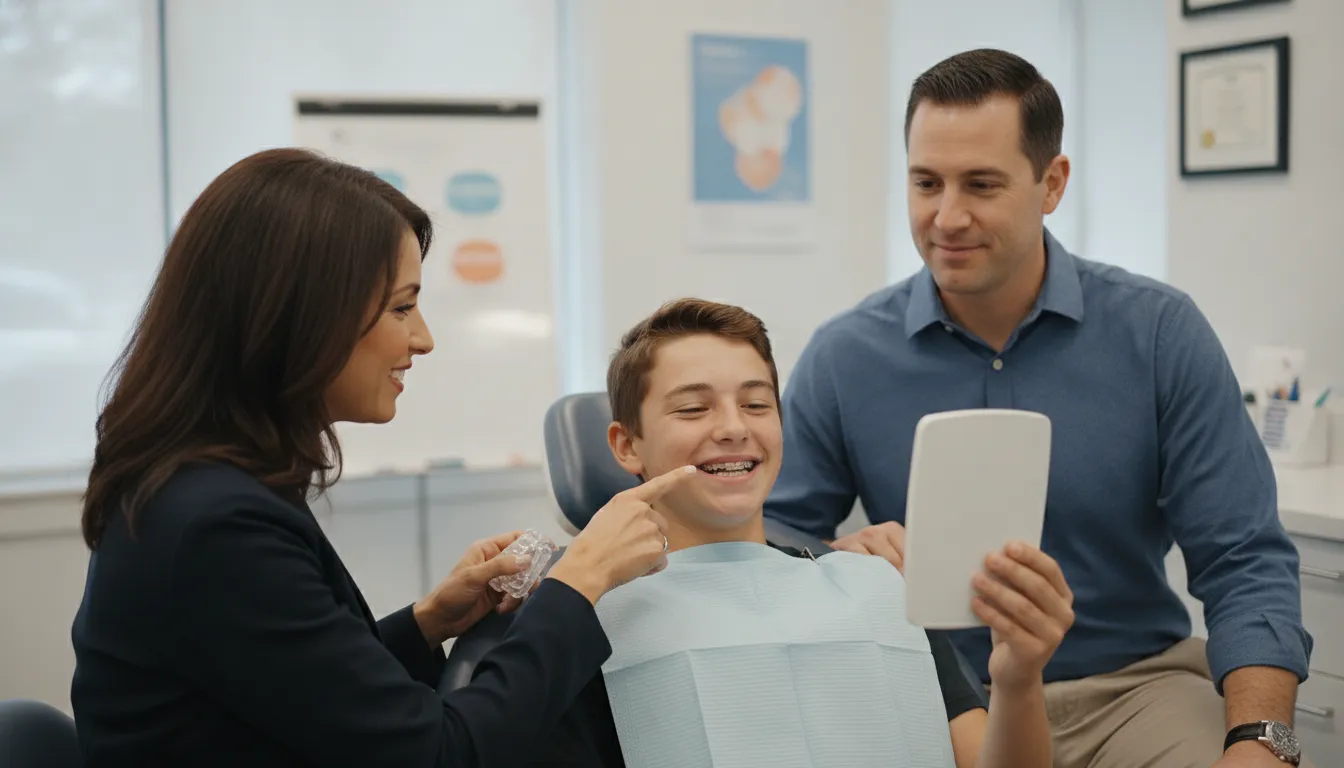
Let’s start with the question that’s on everyone’s mind: how much does Invisalign cost? It’s completely natural to want to understand the financial investment before you commit to orthodontic treatment. The final price is different for everyone because each treatment plan is 100% customized to your specific smile goals. While the cost is often comparable to traditional braces, several factors influence the final number. In this guide, we’ll break down what goes into the cost, discuss how insurance and flexible payment plans can make it more affordable, and help you see why investing in your smile with Invisalign aligners is a decision you can feel great about.
Key Takeaways
- Commit to the 22-Hour Rule for Best Results: Invisalign gives you the freedom to remove your aligners for meals and cleaning, but its success is in your hands. Wearing your aligners for 20 to 22 hours a day is the most important thing you can do to keep your treatment on track and get your new smile efficiently.
- Don’t Assume It’s Only for Minor Fixes: It’s a common myth that clear aligners are just for simple cases. Modern Invisalign technology can effectively treat a wide range of issues, including crowded teeth and bite problems, making it a powerful option for many patients.
- Choose an Experienced Specialist for Your Smile: Your orthodontist is the architect of your treatment plan, so their expertise is crucial. Selecting a specialist with a high level of experience, like a Top 1% Invisalign Provider, ensures you receive a more efficient and predictable path to your best smile.
What Is Invisalign and How Does It Work?
If you’re thinking about straightening your teeth, you’ve probably heard about Invisalign. It’s a modern approach to orthodontics that uses a series of clear, removable aligners to gently shift your teeth into their ideal positions. Unlike traditional metal braces, these aligners are virtually invisible, making them a popular choice for adults, teens, and even kids who want a more discreet treatment option. The process is straightforward: you wear custom-made plastic trays that are designed specifically for your smile.
The real beauty of Invisalign is how it fits into your life. Because the aligners are removable, you can take them out to eat, drink, brush, and floss as you normally would. This means no food restrictions and no complicated cleaning routines. The treatment is built around a personalized plan created by your orthodontist, who uses advanced 3D imaging to map out every step of your smile journey. This technology allows you to see a preview of your final results before you even begin, giving you a clear picture of the beautiful smile waiting for you.
The Smart Technology Behind Clear Aligners
The magic behind Invisalign isn’t just that the aligners are clear; it’s the sophisticated technology that powers them. Each aligner is made from a patented, flexible material called SmartTrack, which was developed after years of research. This material makes the aligners more comfortable to wear and allows for more predictable and controlled tooth movements. It applies a gentle yet consistent force to guide your teeth into place with incredible precision. As a Top 1% Invisalign Provider, we have extensive experience using this advanced technology to create customized treatment plans that deliver amazing results.
How Aligners Gradually Shift Your Teeth
Your Invisalign journey involves wearing a sequence of custom aligners, with each one making small, calculated adjustments to the position of your teeth. You’ll switch to a new set of aligners approximately every one to two weeks, as directed by your orthodontist. Each new tray picks up where the last one left off, gradually moving your teeth closer to their final, desired alignment. Throughout your treatment, we’ll schedule regular check-ins to monitor your progress. We even offer convenient virtual appointments through our Russell Remote service, so we can keep your treatment on track with fewer trips to the office.
Your Treatment Timeline and Aligner Schedule
One of the most common questions is, “How long will it take?” While the exact timeline depends on your unique smile goals, many people start seeing noticeable changes within just a few weeks. A full treatment can take as little as six months, though the average is typically 12 to 18 months. The key to finishing on time is consistency. For the aligners to work effectively, you need to wear them for 20 to 22 hours every day, including while you sleep. Taking them out only for meals and oral hygiene ensures your teeth are always moving according to plan, helping you achieve your new smile as efficiently as possible.
Invisalign vs. Braces: Which Is Right for You?
Deciding on the best way to straighten your teeth is a big step, and one of the most common questions we hear is, “Should I get Invisalign or braces?” The great news is that both are fantastic tools for creating a healthy, beautiful smile. Think of it like choosing a route on a map: both paths lead to the same destination, but the journey itself is quite different. The right choice for you really comes down to your specific orthodontic needs, your lifestyle, and what you value most in your treatment experience.
For some, the near-invisibility of Invisalign clear aligners is the deciding factor. For others, the set-it-and-forget-it nature of traditional types of braces is more appealing. To help you get a clearer picture, we can compare them on the key things that matter most to patients: how they look and feel, how they fit into your daily life (especially with eating and cleaning), how long treatment takes, and what kinds of smile concerns each one can fix. While a personal consultation is the only way to know for sure which option is your perfect match, understanding these differences will help you walk into your appointment feeling informed and confident.
How They Look and Feel
The most obvious difference between Invisalign and braces is aesthetics. Invisalign aligners are made from a smooth, clear, medical-grade plastic that is custom-molded to fit snugly over your teeth. They are so discreet that most people won’t even realize you’re wearing them. This makes them a popular choice for adults and teens who might feel self-conscious about having noticeable metalwork in their mouths.
Traditional braces, on the other hand, use metal or ceramic brackets that are bonded to each tooth and connected by a wire. While today’s braces are much smaller and more refined than what you might remember from the past, they are still more visible than clear aligners. In terms of feel, the smooth plastic of Invisalign is generally very comfortable, while the brackets and wires of braces can sometimes irritate the inside of your cheeks and lips, especially when you first get them.
The Perks of Removability for Eating and Hygiene
One of the biggest lifestyle advantages of Invisalign is that the aligners are completely removable. This means you have total freedom when it comes to food. Craving popcorn, crunchy apples, or sticky candy? No problem. You just take your aligners out to eat and drink anything other than water, then pop them back in after. This removability also makes oral hygiene much simpler. You can brush and floss your teeth just as you normally would, without having to navigate around brackets and wires.
With braces, you have to be more careful. You’ll need to avoid hard, sticky, or chewy foods that could damage the brackets or wires. Brushing and flossing also require a bit more effort and some special tools, like floss threaders, to clean effectively around your hardware.
Comparing Treatment Times and Effectiveness
A common question is whether Invisalign works as quickly as braces. The answer often surprises people: for many cases, the treatment time is very similar. Thanks to advanced planning technology, Invisalign treatment can sometimes be completed in as little as six months, though the exact timeline for any orthodontic work depends entirely on the complexity of your case. You might even start seeing positive changes in your smile within a few weeks.
The effectiveness of Invisalign is directly tied to patient compliance. For the aligners to work their magic, you have to wear them for the recommended 22 hours per day. Braces are attached to your teeth 24/7, so compliance isn’t an issue. An experienced orthodontist, especially a Top 1% Invisalign Provider, can design a treatment plan that is both efficient and highly effective, giving you the best possible results in a timeframe that works for you.
What Smile Concerns Can Invisalign Fix?
There’s a common myth that Invisalign is only for fixing minor crookedness, but that’s simply not the case anymore. Due to major advancements in its technology, Invisalign is now a powerful tool for correcting a wide range of orthodontic issues. It can effectively treat crowded teeth, gaps between teeth, and many bite problems, including overbites, underbites, and crossbites. While very complex or severe skeletal issues may still be best treated with traditional braces, Invisalign is a versatile and effective solution for the vast majority of patients seeking a straighter smile.
Ultimately, the best way to know if you are a candidate for Invisalign or braces is to have a professional evaluation. An orthodontist can assess your specific needs and help you choose the treatment path that will give you a healthy, confident smile.
Living with Invisalign: A Day-to-Day Guide
Starting your Invisalign journey is an exciting step toward the smile you’ve always wanted. While the treatment is designed to fit seamlessly into your life, creating a few new habits will make the process smooth and successful. Here’s a look at what you can expect day-to-day as you live with your new aligners.
Getting Used to Your New Aligners
When you first pop in your new set of Invisalign aligners, you can expect a short adjustment period. These clear, custom-made plastic trays are designed to apply gentle, consistent pressure to gradually shift your teeth. You might feel that your teeth are a little tender for the first day or two with each new set, which is a good sign that the aligners are working. Some people also notice a slight lisp when they first start talking with them in, but this typically disappears within a few days as your tongue gets used to sharing space. It’s all part of the process, and before you know it, wearing your aligners will feel like second nature.
Your Daily Routine: Eating, Drinking, and Cleaning
One of the biggest perks of Invisalign is that you can remove your aligners to eat and drink. You’ll need to take them out for every meal, snack, and beverage other than cool water. This prevents damage to the aligners and keeps them from getting stained. The most important part of your new routine is oral hygiene. You must brush your teeth after eating and before putting your aligners back in. Trapping food particles or sugary residue between your teeth and the aligner can lead to cavities. It’s also a good idea to gently brush your aligners with a soft-bristled toothbrush and clear soap or rinse them in lukewarm water to keep them fresh and clean.
The 22-Hour Rule: Why Consistency Is Key
For your treatment to stay on track, you need to wear your aligners for 20 to 22 hours every day. This might sound like a lot, but it includes the time you’re sleeping. Consistency is everything. The aligners can only do their job of moving your teeth when they are in your mouth. Taking them out too often or for too long can delay your progress and affect your final results. As a Top 1% Invisalign Provider, we’ve seen firsthand that patients who stick to the 22-hour rule achieve the best outcomes in the shortest amount of time. Think of it as your daily commitment to your future smile.
Checking In on Your Progress
You’ll typically switch to a new set of aligners every one to two weeks, as directed by your orthodontist. Each new tray picks up where the last one left off, continuing the gradual movement of your teeth. You will also have regular check-ins to ensure everything is progressing as planned. These appointments are a great time to ask questions and see how far you’ve come. We use advanced technology to make monitoring your smile simple and convenient. With services like Russell Remote, you can even check in from home, saving you time while keeping your treatment perfectly on track.
How Much Does Invisalign Cost?
Let’s talk about one of the biggest questions on everyone’s mind: the cost. It’s completely normal to wonder about the investment required for a new smile, and the great news is that Invisalign treatment is often more accessible than people assume. While the final price tag can vary quite a bit from person to person, the cost is frequently comparable to that of traditional braces.
Generally, you can expect the cost of Invisalign to fall somewhere between $3,500 and $8,000. This is a wide range because your treatment plan is 100% unique to you. Think of it like a custom-tailored suit versus one off the rack; the final fit and finish depend on your specific needs. The only way to get an exact number is to come in for a consultation, where we can assess your smile and map out your entire treatment journey.
What Factors Influence the Final Price?
The main driver of your Invisalign cost is the complexity of your orthodontic needs. A few slightly crooked teeth will require a shorter treatment time and fewer sets of aligners than a more complex case involving bite correction or significant crowding. The length of your treatment directly impacts the final price. Your orthodontist will determine the exact number of aligners you’ll need to achieve your goals during your initial consultation. The expertise of your provider also plays a role. Working with a Top 1% Invisalign Provider ensures you’re getting the highest level of care, which can lead to more efficient and predictable results.
Making It Affordable: Insurance, HSAs, and Payment Plans
A perfect smile should be within reach, and there are several ways to make Invisalign fit your budget. Many dental insurance plans cover a portion of orthodontic treatment, often up to $3,000, just as they would for braces. We recommend calling your provider to understand your specific coverage. You can also use pre-tax dollars from a Health Savings Account (HSA) or Flexible Spending Account (FSA) to pay for your treatment, which is a smart way to save. To make things even easier, most orthodontic offices, including ours, offer flexible in-house payment plans that allow you to spread the cost over time with manageable monthly payments.
How to Choose the Right Invisalign Provider
Deciding to get Invisalign is the first step, but choosing the right person to guide your treatment is just as important. Your provider’s experience and expertise matter as much as the aligners themselves, as they are the ones designing your new smile. When you’re ready to start, you want to feel confident you’re in the best hands. Here’s what to consider to find a great orthodontist who can help you achieve your smile goals.
What to Look for in an Orthodontist
When you begin your search, one of the first things to check is whether the doctor is a licensed orthodontist versus a general dentist. While some dentists offer Invisalign, an orthodontist has two to three years of specialized training beyond dental school focused exclusively on correcting bites and aligning teeth. It’s always a good idea to look into their education and professional background. Choosing an orthodontist ensures you’re partnering with a specialist whose entire practice is dedicated to creating beautiful, healthy smiles with treatments like Invisalign.
Why Advanced Technology Matters for Your Smile
The Invisalign system has improved so much over the years, largely thanks to technology that creates a smoother and more personalized treatment experience. Top providers often use tools like the iTero scanner, which takes detailed 3D images of your teeth without the need for messy, uncomfortable impression trays. This advanced imaging allows your orthodontist to map out your entire treatment plan with incredible precision from the very beginning. At our DocAligners Studios, we use this technology to show you a preview of your future smile before you even start.
The Advantage of a Top 1% Invisalign Provider
You may see terms like “Diamond” or “Top 1%” when researching providers. These aren’t just marketing buzzwords; they are official tiers from Invisalign that reflect an orthodontist’s experience. Providers earn this status based on the number of cases they successfully treat each year. Choosing a Top 1% Invisalign Provider means you are working with someone who has a deep understanding of the system and has handled a wide variety of cases, from simple adjustments to complex transformations. This level of experience often translates into a more efficient and predictable treatment journey for you.
Frequently Asked Questions
Does Invisalign treatment hurt? It’s one of the first things people ask, and the honest answer is that you’ll likely feel some pressure. When you switch to a new set of aligners, you might experience a day or two of tenderness, which is a good sign that your teeth are moving as planned. It’s not a sharp pain, but more of a gentle, consistent pressure. Most people get used to this feeling very quickly, and it’s a small trade-off for the incredible results you’re working toward.
What happens after I finish my last set of aligners? Once you’ve completed your final set of aligners, the active part of your treatment is over, but your journey isn’t quite finished. To protect your beautiful new smile and prevent your teeth from shifting back to their old positions, you’ll need to wear a retainer. Just like your aligners, modern retainers are often clear and custom-made. Your orthodontist will give you specific instructions on how often to wear it, which is typically full-time at first and then just at night for the long term.
Am I too old to get Invisalign? Absolutely not. There is no upper age limit for getting a smile you love. As long as your teeth and gums are healthy, you can be a great candidate for Invisalign. In fact, adults often make some of the most dedicated and successful patients because they are so motivated to achieve their goals. We treat people of all ages who are ready to invest in their confidence and oral health.
What should I do if I lose or break an aligner? First, don’t panic, it happens. The most important thing to do is call your orthodontist’s office right away. Depending on where you are in your treatment schedule, we might advise you to wear your previous set of aligners for a few days or, in some cases, move on to your next set a little early. Please don’t make this decision on your own, as it could affect your treatment progress. A quick call ensures we can give you the right guidance to keep your smile journey on track.
Why is choosing a Top 1% Invisalign Provider so important? Think of it like choosing a surgeon for an important procedure; you want the person with the most experience. A Top 1% Invisalign Provider has successfully treated a very high volume of cases, from simple adjustments to complex bite corrections. This extensive experience means they have a deep understanding of how to use the technology to its full potential, allowing them to create a more precise, efficient, and predictable treatment plan for your unique smile. It’s your assurance that you’re in the hands of a true expert.