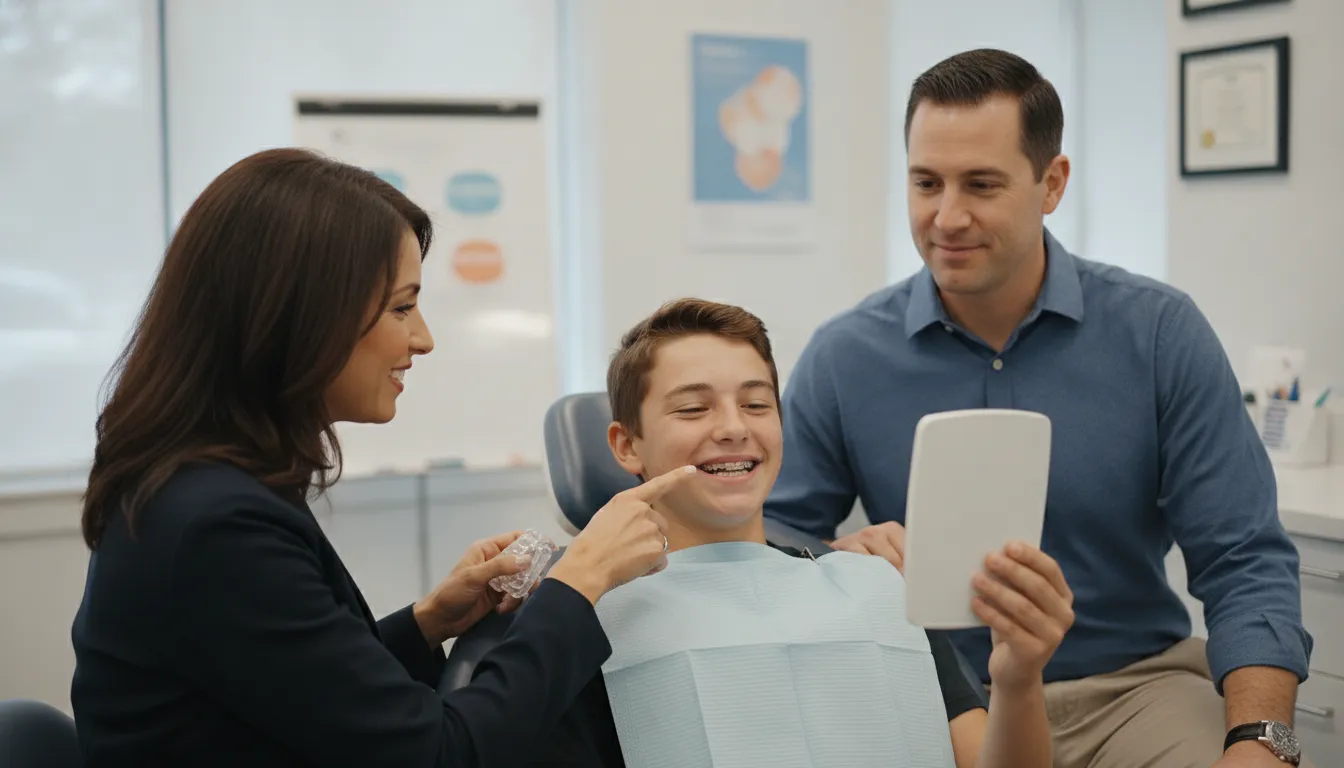
Let’s talk about the big question: what will braces look like on me? For many people, the appearance of their orthodontic treatment is just as important as the final result. This is the core of the metal braces vs ceramic braces discussion. Do you prefer the time-tested strength of metal, or is a more discreet, tooth-colored option a better fit for your confidence and career? While both systems are incredibly effective at creating a beautiful, healthy smile, they offer very different experiences. This guide will break down the key distinctions in aesthetics, care, and cost to help you decide which path is right for you.
Key Takeaways
- Decide Between Appearance and Strength: The biggest choice is between aesthetics and durability. Ceramic braces offer a subtle look by blending in with your teeth, while metal braces provide unmatched strength, making them a super reliable option for any situation.
- Match Your Braces to Your Lifestyle: Think about your daily life when making your choice. The toughness of metal braces is a great advantage if you play contact sports or grind your teeth, while the discreet look of ceramics is perfect if a subtle appearance is your main goal.
- Factor in Budget and Maintenance: Metal braces are typically the most affordable choice. Ceramic braces cost a bit more for their cosmetic benefit, and their clear elastics require you to be mindful of staining from things like coffee or dark sauces.
Metal vs. Ceramic Braces: What’s the Difference?
When you think of braces, the classic metal version probably comes to mind. But orthodontic technology has come a long way, and now you have more options than ever. Two of the most popular choices are traditional metal braces and their less noticeable counterpart, ceramic braces. Both are fantastic at straightening teeth and correcting bites, but they have key differences in appearance, durability, and care. Understanding how each type works is the first step in figuring out which one is the best fit for your smile and your lifestyle. Let’s break down the basics of both so you can feel confident in your decision.
How Metal Braces Work
Metal braces are the tried-and-true workhorses of orthodontics. They’re made from high-grade stainless steel, which makes them incredibly strong and durable. The system is pretty straightforward: small metal brackets are attached to each tooth and connected by a thin archwire. Tiny elastic bands, which come in all sorts of fun colors, hold the wire to the brackets. Together, these parts apply gentle, constant pressure to guide your teeth into their ideal positions over time. Because they are so robust, metal braces are one of the most reliable types of braces available, especially if you have a more complex case or play contact sports.
How Ceramic Braces Work
If you love the effectiveness of traditional braces but want a more discreet look, ceramic braces might be your answer. Often called “clear braces,” they function in the exact same way as their metal counterparts, using brackets, an archwire, and elastics to shift your teeth. The main difference is the material. The brackets are made from a clear or tooth-colored polycrystalline alumina that blends in with your natural smile, making them much less noticeable. While modern ceramic braces are quite strong, the material is more brittle than stainless steel, so they can be more prone to chipping. They’re a fantastic cosmetic alternative for adults and teens who want a subtle treatment option.
Appearance: Metal vs. Ceramic
For many people, the look of their braces is a major factor in their decision. You want to feel confident during your treatment, whether you’re in the boardroom or the classroom. While both metal and ceramic braces are effective, they offer very different aesthetics. There are several types of braces to consider, and understanding how they look can help you choose the option that best fits your lifestyle and comfort level.
How Noticeable Are They?
When you think of braces, you probably picture traditional metal ones. Made from high-grade stainless steel, their silver color is definitely visible. The good news is that modern metal braces are much smaller and more streamlined than the ones you might remember from years ago, making them a bit more discreet.
On the other hand, ceramic braces are designed to be less conspicuous. The brackets are made from a clear or tooth-colored material that blends in with your smile. From a normal conversational distance, many people won’t even notice you’re wearing them. This makes them a popular choice for adults and teens who want a more subtle treatment experience. If you’re looking for an even less visible option, you might also consider Invisalign clear aligners.
Will Ceramic Braces Stain?
This is a question we get all the time, and it’s a great one. The ceramic brackets themselves are non-porous and resistant to staining. The real concern is the small, clear elastic ties used to hold the wire to the brackets. These tiny bands can pick up color from certain foods and drinks over time.
To keep your ceramic braces looking their best, you’ll want to be mindful of things like coffee, tea, red wine, and dark sauces like curry or ketchup. The great thing is that these elastics are changed at every adjustment appointment, so you get a fresh start every few weeks. Good daily brushing also goes a long way in keeping everything clean and bright between visits.
Durability and Care: Which Is Tougher?
When you get braces, you’re signing up for a new routine. A big part of your decision will come down to how much that routine needs to change. Your lifestyle, from the foods you love to the sports you play, can influence which type of braces is a better fit. Let’s look at how metal and ceramic braces hold up under daily life and what it takes to care for them properly.
Comparing the Strength of Metal and Ceramic
When it comes to pure toughness, metal braces have the edge. They are made from high-grade stainless steel, making them incredibly strong and resistant to breaking or chipping. This durability makes them an excellent choice if you have a heavy bite, grind your teeth, or play contact sports. You can live your life with a little less worry about damaging your hardware.
Ceramic braces, on the other hand, are more delicate. While they are strong enough for the job of moving teeth, the ceramic material can be more brittle than metal. Studies have found that ceramic brackets are more than twice as likely to chip or break upon impact. This doesn’t mean they are fragile, but it does mean you might need to be a bit more careful with them, especially when eating hard foods or if you have a very active lifestyle.
How to Keep Your Braces Clean
No matter which option you choose, keeping your teeth and braces clean is essential for a healthy smile. Both types of braces create tiny spaces where plaque and food particles can hide, so diligent brushing and flossing are non-negotiable. However, there is one key difference in care: staining.
The biggest maintenance challenge with ceramic braces is their potential to stain. The clear or tooth-colored brackets themselves are quite stain-resistant, but the elastic ties used to hold the wire in place can discolor over time. If you frequently enjoy coffee, tea, red wine, or dark sauces like ketchup or curry, you might notice the ties start to look yellowish. The good news is these ties are changed at every adjustment appointment, giving you a fresh start. Metal braces don’t have this issue, as they don’t have components that can visibly stain.
The Cost of Metal vs. Ceramic Braces
Let’s talk about one of the most practical parts of this decision: the budget. The cost of braces is a significant factor for most people, and it’s helpful to know what to expect. While the final price always depends on your unique treatment plan, we can look at the general cost differences between metal and ceramic braces to give you a clearer picture. Understanding these differences will help you have a more informed conversation with your orthodontist about what works best for your smile and your wallet.
What to Expect for Metal Braces
Metal braces are generally the most affordable orthodontic option. They have a long history of being effective and reliable, and their straightforward design and materials help keep costs down. Typically, you can expect the cost of metal braces to fall somewhere between $1,700 and $6,000. This range depends on factors like the complexity of your orthodontic needs and how long your treatment will take. Because they are so durable and efficient, they remain a popular and budget-friendly choice for achieving a perfectly aligned smile.
What to Expect for Ceramic Braces
Ceramic braces usually come with a higher price tag, typically ranging from $3,000 to $7,000. The main reason for the higher cost is the materials used. The ceramic or porcelain brackets are more expensive to produce than their stainless steel counterparts. They are designed to blend in with your teeth, offering a more discreet look that many people find appealing. You’re essentially paying a premium for the aesthetic benefit. For many patients, the ability to straighten their teeth less noticeably is well worth the additional investment in their confidence during treatment.
What Influences the Final Price?
Beyond the material, several things determine your final bill. As mentioned, the higher cost of ceramic braces is due to the premium materials and the extra care they sometimes require during application and removal. However, for both types of braces, the biggest factors influencing price are the specifics of your treatment. This includes how much correction your teeth need and the total time you’ll be in braces. Your orthodontist will give you a precise quote after your initial consultation. It’s also a great time to ask about payment plans and insurance coverage, as most practices offer options to make the cost more manageable.
Effectiveness: Which Option Works Faster?
Everyone wants to know the magic number: how long will I have to wear braces? It’s one of the first questions we get, and the answer depends on your unique smile. While both metal and ceramic braces are fantastic at creating beautiful, straight teeth, the speed of your treatment comes down to a few key factors. The complexity of your case, your personal lifestyle, and even how well you follow care instructions all play a part in how quickly you’ll see your final results.
The idea that one type of braces is universally “faster” than the other is a common misconception. The truth is, the effectiveness of your treatment is less about the material on your teeth and more about the specific orthodontic plan designed for you. Think of the braces as the tools and your orthodontist as the skilled craftsperson. The final result depends on how those tools are used. Both metal and ceramic braces apply steady, gentle pressure to guide your teeth into their ideal positions. We’ll look at how their treatment times compare and what personal factors might make one option a better fit for your journey to a perfect smile.
A Look at Treatment Times
When it comes to straightforward alignment issues, both metal and ceramic braces work on a similar timeline. Most patients can expect their treatment to last anywhere from 18 to 36 months. For more complex cases that require significant bite correction or tooth movement, metal braces sometimes have a slight edge. Because they are incredibly strong and create less friction against the wire, they can handle higher forces, which may speed up certain phases of treatment.
Ultimately, the best way to understand your personal timeline is through a consultation. Dr. Russell will assess your specific needs and explain what you can expect from the different types of braces we offer.
How Your Needs Affect Your Choice
The “faster” option can also be the one that fits most seamlessly into your life with the fewest interruptions. Durability plays a big role here. Metal braces are extremely strong and less prone to breaking, making them an excellent choice if you play contact sports or have a habit of grinding your teeth. While ceramic braces are also effective, they are more fragile and can chip or break under heavy impact.
A broken bracket means an extra trip to the office and can sometimes set your treatment back. If your schedule is packed or you travel frequently, the lower repair rate of metal braces can mean fewer disruptions. We can discuss all these factors during your DocAligners Experience to make sure you choose the braces that will work best for you and your daily routine.
The Comfort Factor: Metal vs. Ceramic
Let’s be honest, one of the first questions anyone asks about braces is, “Will they hurt?” It’s a valid concern, and the answer isn’t exactly black and white. Both metal and ceramic braces are designed to shift your teeth into their ideal positions, and that process involves a bit of an adjustment. While your mouth gets used to the new hardware, you can expect some temporary soreness. However, there are subtle differences in how each type feels day-to-day, which can influence your decision.
Which Feels Better in Your Mouth?
When it comes to initial comfort, the experience with metal and ceramic braces is quite similar. Both systems use gentle, consistent pressure to guide your teeth, and you’ll likely feel some tenderness for a few days after they’re first placed and following any adjustments. This is totally normal and a sign that your treatment is working. Some patients report that the smoother, rounded edges of ceramic brackets feel a little more comfortable against the inside of their lips and cheeks. Regardless of the types of braces you choose, any discomfort is temporary and can usually be managed easily with over-the-counter pain relievers.
Adjusting to Life with Braces
Beyond the initial soreness, adjusting to life with braces also means considering their durability. This is where metal and ceramic braces really differ. Metal braces are known for their strength; they are built to withstand the daily pressures of chewing and talking. Ceramic braces, while strong, are made from a more brittle material. This means they can be more susceptible to chipping or breaking if you eat hard or sticky foods or take a knock to the mouth during sports. A broken bracket isn’t just an inconvenience that requires an extra trip to the orthodontist; it can also cause discomfort until it’s repaired. So, while ceramics might feel smoother, the robustness of metal is a key part of the long-term comfort equation.
How to Choose the Right Braces for You
Considering Your Lifestyle and Look
Choosing braces is a personal decision, and a big part of that comes down to how you want to look and feel during treatment. If discretion is your top priority, ceramic braces are a great option. Their tooth-colored or clear brackets blend in with your natural smile, making them much less noticeable than their metal counterparts. On the other hand, if you’re looking for a time-tested, durable, and often more affordable option, traditional metal braces are a fantastic choice. The main trade-off is aesthetics versus durability, so think about what matters most to you for the next chapter of your smile journey.
Factoring in Age and Activities
Your daily life plays a big role in determining the best orthodontic fit. For example, if you or your teen are athletes, especially in contact sports, metal braces might be the safer bet. They hold up better to impact, though a mouthguard is essential for protecting any types of braces. Similarly, if you have a habit of grinding your teeth at night (a condition called bruxism), the extra stress can be tough on brackets. The superior strength of metal makes it a more reliable choice for heavy grinders. It’s all about matching the treatment to your unique life, ensuring your journey to a new smile is as smooth as possible.
Metal Braces: Pros and Cons
Metal braces have been the gold standard for decades, and for good reason. Their biggest pros are strength and durability. Made from high-grade stainless steel, they are incredibly resistant to breaking or chipping, which makes them ideal if you play sports or have a teeth-grinding habit. They are also often the most cost-effective option and can sometimes achieve results faster than other methods. The primary con, of course, is their appearance. They are the most noticeable type of braces, which can be a deal-breaker for some. However, with modern designs and colorful band options, many people have fun personalizing their look.
Ceramic Braces: Pros and Cons
The number one benefit of ceramic braces is their appearance. The tooth-colored brackets blend naturally with your teeth, making them a far less visible option for straightening your smile. This makes them a popular choice for adults and teens who feel self-conscious about wearing braces. However, this aesthetic advantage comes with a couple of trade-offs. Ceramic material is not as durable as metal, and the brackets can be more than twice as likely to chip or break. This means you may need to be more careful with what you eat and could require more repair appointments, which can sometimes extend your overall treatment time.
What If There’s Another Option?
While metal and ceramic braces are fantastic, reliable options, it’s completely normal to wonder if there’s something else out there that might be a better fit for your life. The great news is, there is. Orthodontic technology has come a long way, giving you more choices than ever to achieve your dream smile. If you’re looking for something even more discreet, it’s worth exploring other treatments.
One such choice is lingual braces. They work just like traditional braces, but with a clever twist: the brackets and wires are placed on the back of your teeth. This makes them completely hidden from view, offering a powerful straightening solution that remains your little secret.
Then there are clear aligners, with Invisalign being the most well-known name. Instead of brackets and wires, this system uses a series of custom-made, clear plastic trays to gently shift your teeth into place. Because they’re removable, you can eat whatever you want and brush and floss just like you normally would. This flexibility is a game-changer for many people. As a Top 1% Invisalign Provider, we specialize in creating personalized Invisalign plans that fit seamlessly into your life, often with the convenience of remote check-ins through our Russell Remote program. The best way to know which path is right for you is to talk with an orthodontist who can weigh your goals, lifestyle, and clinical needs to find your perfect match.
Frequently Asked Questions
Will ceramic braces stain if I drink coffee? This is a very common concern, and the short answer is no, the brackets themselves won’t stain. The ceramic material is non-porous and designed to resist discoloration from food and drinks. The parts that can stain are the tiny, clear elastic bands that hold the archwire to your brackets. If you drink a lot of coffee, tea, or red wine, you might notice these elastics start to look a little yellow over time. The good news is we replace them with fresh ones at every single adjustment appointment, so you get a clean slate every few weeks.
Is it true that metal braces work faster than ceramic ones? For most people, the treatment timeline for both metal and ceramic braces is nearly identical. The speed of your treatment depends more on the complexity of your case and your body’s response than on the material of your braces. In some very complex situations, metal braces might have a slight advantage because their durability allows for stronger forces, but the difference is often not significant. The most important factor for an efficient treatment is the customized plan your orthodontist creates for you.
Why do ceramic braces cost more than metal braces? The price difference comes down to the materials and manufacturing process. The high-tech ceramic used for the brackets is more expensive to produce than the high-grade stainless steel used for metal braces. You are essentially paying a premium for the aesthetic benefit of having a less noticeable treatment. For many adults and teens, the confidence that comes with a more discreet look is well worth the additional investment.
I play sports. Does that mean I have to get metal braces? Not necessarily, but it’s an important consideration. Metal braces are incredibly durable and can withstand impact better than ceramic, making them a very reliable choice for athletes. Ceramic brackets are more brittle and have a higher chance of chipping or breaking if you take a hit to the mouth. If you opt for ceramic braces, wearing a custom-fitted mouthguard during any physical activity is absolutely essential to protect your smile and your orthodontic hardware.
How do I decide between braces and an option like Invisalign? The best choice really depends on your orthodontic needs and your lifestyle. Braces, both metal and ceramic, are fixed to your teeth and are powerful tools for correcting even the most complex alignment and bite issues. Invisalign uses a series of removable clear aligners, which offers great flexibility for eating, cleaning, and social events. A consultation is the best way to figure out your path; we can assess your smile and talk through the pros and cons of each option to find the perfect fit for you.