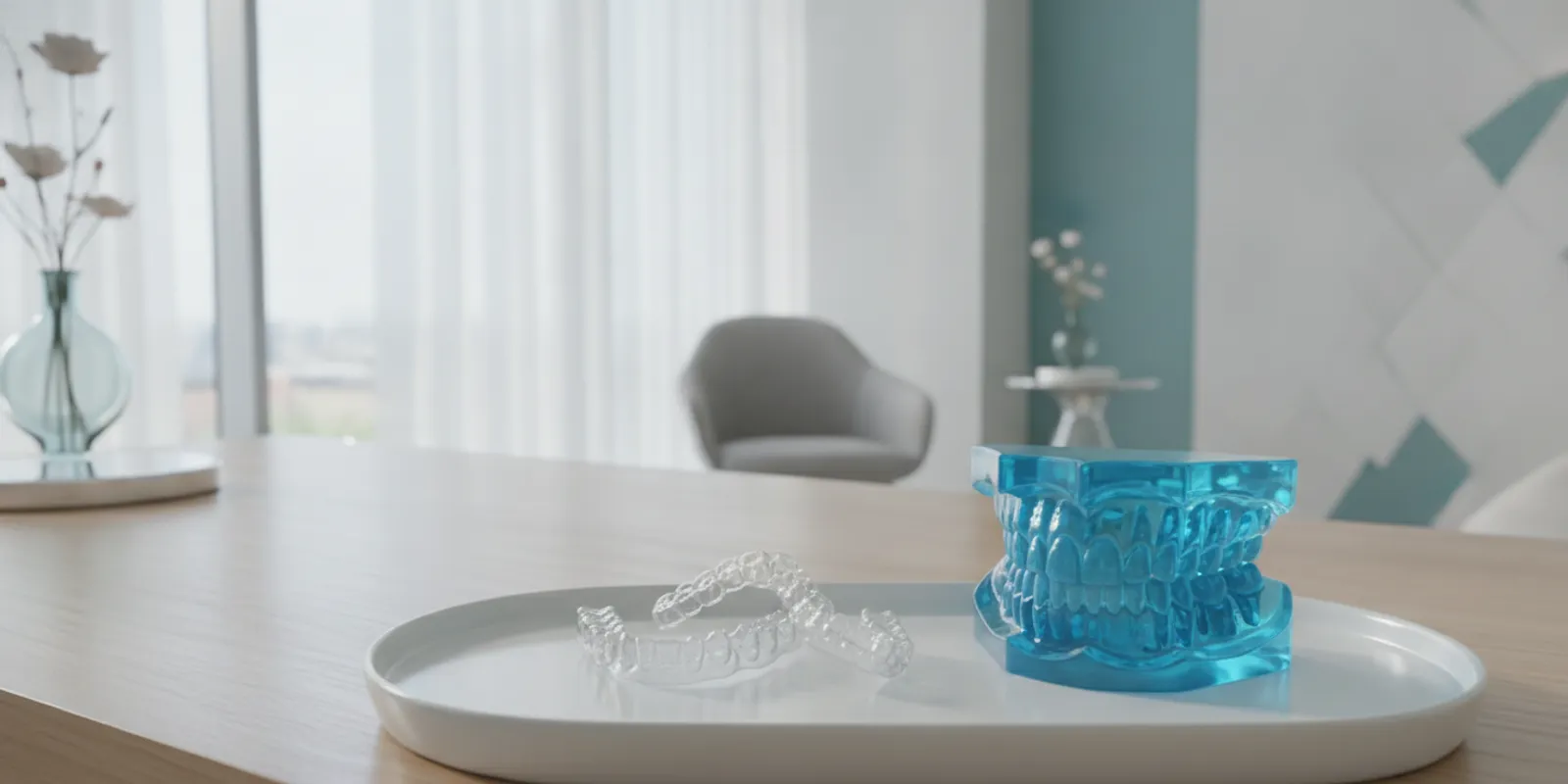
An Invisalign retainer helps support the position of your teeth after active aligner treatment. It may look similar to an Invisalign aligner, but its job is different: an active aligner is part of a planned sequence that moves teeth, while a retainer helps hold the result. The most important question is not simply how many hours everyone should wear one. It is what schedule, care routine, and follow-up plan your orthodontist recommends for your teeth.
Request a Complimentary Consultation
Why is an Invisalign retainer needed after treatment?
Teeth are held in place by bone, gum tissue, and other supporting structures. When orthodontic treatment changes tooth position, those supporting tissues need time to adapt. Teeth can also change position over the years for reasons that are not limited to orthodontic treatment. A retainer gives your orthodontist a way to help maintain the alignment achieved during active care.
Retention is not a final detail to consider only if you notice a tooth moving. It is a planned phase of orthodontic care. Your provider may discuss the retainer before you finish your last active aligner, explain when to wear it, and tell you when the schedule may change. The plan can depend on your original bite, the movements completed, your age, and how your teeth respond.
The American Association of Orthodontists offers patient education about orthodontic care and the importance of following an orthodontist’s instructions. General information can help you prepare questions, but it cannot replace an assessment of your retainer or a schedule made for your case.
If you are still comparing treatment options, you can review Invisalign treatment at Russell Orthodontics and bring questions about the transition from aligners to retention to a consultation.
How is an Invisalign retainer different from an active aligner?
Active aligners are manufactured and prescribed as a series. Each one is intended to provide a particular stage of planned movement. A retainer is intended to help maintain tooth position after that active sequence. The appliances can look alike, which is why it is important to identify the appliance and follow the instructions you received rather than relying on appearance.
| Question | Active Invisalign aligner | Invisalign retainer |
|---|---|---|
| Main purpose | Move teeth as part of a planned series | Help maintain tooth position after active treatment |
| How it is selected | Chosen as the next step in a treatment sequence | Made or prescribed for the retention phase |
| What to do if it does not fit | Follow the treatment instructions and contact the orthodontic team | Contact the orthodontic team; do not force it into place |
| What to do if it is lost | Ask whether to use the next appliance or another option | Ask about a replacement and whether your teeth need a fit check |
| How long to use it | Follow the active-treatment schedule | Follow the retention schedule for your case |
An old active aligner may not be the right long-term substitute for a retainer. It may no longer fit, may not be designed for the current stage of care, or may not provide the retention your orthodontist wants. If your retainer is unavailable, ask the practice what to do instead of making the decision on your own.
How often should you wear an Invisalign retainer?
There is no single schedule that applies to every patient. Some people receive a schedule that includes more wear soon after active treatment, followed by a different long-term routine. Others may have instructions shaped by the type of retainer, the movements completed, or the likelihood of tooth movement in their case. Your orthodontist may also adjust the plan after checking your fit.
Follow the written instructions from your orthodontic team. Do not copy a friend’s schedule, use a general online recommendation as your prescription, or assume that a retainer can be worn only when it feels necessary. If you were not given clear instructions, contact the office and ask these specific questions:
- How many hours should I wear the retainer at this stage?
- Should I remove it for meals, drinks, brushing, or other activities?
- When might the schedule change, and what signs should prompt a call?
- Should I bring the retainer to my next appointment for a fit and condition check?
- What should I do if I miss wear for a day or several days?
Consistency is easier when the retainer becomes part of a routine. Choose one place for the case. Put the appliance in the case whenever it is not in your mouth. Pair evening wear with a regular habit, such as brushing your teeth or preparing for bed. If you travel, pack the case and any written instructions rather than placing the retainer loose in a bag.
Russell Orthodontics answers common treatment questions in its Invisalign FAQ. Use that information to prepare for a conversation, then follow the instructions specific to your own treatment.
What should you do during the transition from aligners to a retainer?
The transition is a useful time to slow down and confirm the details. Before you finish active treatment, ask which appliance is your retainer, when you should begin wearing it, and how the practice wants you to store and clean it. Keep the appliance and its case together so you do not confuse a retainer with an older active aligner.
Pay attention to how the retainer seats. It should be used according to the instructions you receive. If it does not seat fully, has a sharp edge, or causes unexpected discomfort, do not keep forcing it in the hope that the sensation will resolve. Contact the orthodontic team and explain what changed.
It can help to write down the date you received the retainer, the schedule you were given, and questions about future replacement. Parents can keep this information with a child’s other health records. Teens and adults may want a reminder in a phone calendar. A clear record is especially useful if you travel, change routines, or need to contact the office after a period of missed wear.
Patients who want to understand the broader range of removable and fixed retainers can review the practice’s retainer information before asking which option was selected for their case.
How do you clean and store an Invisalign retainer?
Care instructions can vary by appliance and material, so use the method recommended by your orthodontist or the manufacturer. The goal is to handle the retainer carefully, keep it in a hygienic condition, and reduce the chance of damage or loss.
- Wash your hands. Clean hands before putting in or removing the retainer.
- Rinse as directed. Follow the instructions you were given after removing it. If you are unsure which cleaning method is appropriate, ask before using a product.
- Use the case. Place the retainer in its protective case whenever you remove it. A napkin is easy to throw away by mistake, and a loose appliance can be crushed.
- Protect it from heat. Do not expose it to hot water or other heat unless your orthodontist has specifically said that the method is safe.
- Keep it away from pets. A retainer left on a table or floor can be chewed, carried away, or contaminated.
- Bring it to visits when asked. The team may want to check the fit, condition, or cleanliness of the appliance.
Avoid household cleaners, abrasive products, and unapproved soaking methods. A product that is safe for one material may not be appropriate for another. Do not scrub aggressively if the care instructions do not call for it. For additional practical guidance, read the practice’s article on how to clean orthodontic retainers, then confirm any questions with your orthodontic team.
What if your Invisalign retainer feels tight?
A retainer can feel different after missed wear, after it has been stored incorrectly, or if it has changed shape. A tight feeling does not tell you by itself whether the appliance is safe to continue wearing. The important details include whether it seats completely, whether it is damaged, and whether you have pain or a noticeable change in your bite.
Do not repeatedly force a retainer into place. Do not trim it, bend it, heat it, or try to repair it at home. Contact the office and describe how long it has been since you wore it, where it feels tight, whether it is cracked or warped, and whether it changes your bite. If you can, keep the appliance so the team can examine it or ask you to bring it to an appointment.
For broader information about what happens during an orthodontic evaluation, review what to expect at a first orthodontic visit. A professional assessment is the right way to determine whether the retainer still fits your current tooth position.
What should you do if the retainer is lost, cracked, or warped?
Contact your orthodontic team promptly. Tell them when you last wore the retainer, when you noticed the problem, and whether you have another appliance. Do not wait for a scheduled visit if the retainer is clearly damaged or you are concerned that your teeth are changing position. The team can explain whether you need an examination, a new scan, a replacement appliance, or another step.
Do not substitute an old aligner unless your orthodontist specifically directs you to do so. Do not buy an appliance from an unverified source or alter one to make it fit. An appliance that looks similar may not match your current treatment plan. The best next step can depend on the length of time without wear, the current fit, and your treatment records.
Ask the office what information to bring. It may help to have the damaged appliance, its case, your current instructions, and a list of questions. If a child or teen lost a retainer at school or during travel, write down when it happened and whether the appliance was worn before it went missing. These details help the team understand the situation.
Russell Orthodontics also describes its SmileLOCK retainer program. Ask the practice directly about current program details, eligibility, and whether it fits your needs rather than assuming that every patient has the same replacement arrangement.
How can you make retainer wear easier for a family?
Retention is often a household routine, especially when more than one family member has had orthodontic treatment. Label cases if they look alike. Keep each person’s retainer in a consistent location. Parents can help younger children remember the schedule, but the child should also learn how to handle and store the appliance safely.
For teens, connect wear to routines that are already stable, such as getting ready for bed. For adults, keep the case in a travel kit or another place that is visible without being exposed to heat or pets. A backup reminder can help during exams, work travel, sports seasons, or changes in school and work schedules.
Do not make a child responsible for diagnosing a fit problem. If the retainer is painful, cracked, missing, or no longer seats correctly, have the child tell a parent or guardian and contact the orthodontic team. The same principle applies to adults: uncertainty is a reason to ask, not a reason to improvise.
How can you plan for long-term retention?
Before active treatment ends, make a simple retention checklist. Confirm the appliance, wear schedule, cleaning method, storage instructions, and contact process for a lost or damaged retainer. Ask when the practice wants to review the fit and what changes should prompt an earlier call. Save the office contact information in your phone and keep a copy of the instructions at home.
Bring the retainer to appointments if the team requests it. A fit check can give you an opportunity to discuss comfort, wear habits, and replacement questions. If you move or change providers, keep copies of relevant treatment and retainer information so the next orthodontic team has useful context.
If you are considering orthodontic care for another family member, you can compare options through the practice’s pages for Invisalign for adults and Invisalign for teens. Those treatment decisions and the later retention plan should be discussed with an orthodontist who can evaluate the individual patient.
Frequently asked questions
Is an Invisalign retainer the same as an Invisalign aligner?
No. An active aligner is part of a sequence intended to move teeth. A retainer is used during the retention phase to help maintain tooth position. They may look alike, so follow the label and instructions provided by your orthodontic team.
Can you wear your last aligner instead of a retainer?
Do not assume that a previous aligner is a suitable substitute. Ask your orthodontist what to wear if the retainer is lost, damaged, or delayed. The answer may depend on your current tooth position and treatment records.
What if you forget to wear your retainer?
Follow the missed-wear instructions given for your case and contact the office if you are unsure what to do. Tell the team how long the retainer was not worn and whether it still seats fully. Do not force it or change the schedule without guidance.
How do you know when a retainer needs replacement?
Ask for an assessment if it is cracked, warped, loose, uncomfortable, lost, or no longer fits as expected. The orthodontic team can check the appliance and explain whether replacement or another option is appropriate.
Can a retainer fix teeth that have already shifted?
A retainer is generally intended to maintain tooth position, not to replace an active treatment plan. If you notice movement or the retainer no longer fits, contact an orthodontist for an individualized evaluation rather than trying to correct the change yourself.
Request an appointment to discuss your retainer
Your orthodontic team can help you create a clear plan for wearing, caring for, and replacing an Invisalign retainer based on your treatment and current fit.